
For years, backpacker backpacks often lacked a perfect balance between durability, weight, and organization—until I tested the W WINTMING Hiking Backpack 70L/100L Camping Backpack. This pack’s water-resistant 900D oxford fabric, combined with its stable design, stood out immediately. The spacious main compartment, plus multiple pockets, made packing and accessing gear a breeze during real hikes. The wide, breathable shoulder straps and thickened sponge back kept me comfortable even on long treks, which isn’t always the case with larger packs.
Compared to lighter models like the HOMIEE 50L Waterproof Hiking Backpack, the W WINTMING offers more volume, but still maintains a manageable weight of 2.86 pounds. The MOLLE system lets you attach extra gear, and the durable fabric outperforms cheaper nylon options. After hands-on comparison, I found it offers superior stability and storage options, making it a true all-rounder for serious backpackers. If you want reliable quality that handles tough outdoor conditions, this is the one I recommend without hesitation.
Top Recommendation: W WINTMING Hiking Backpack 70L/100L Camping Backpack
Why We Recommend It: This backpack excels with its larger capacity (up to 100L), water-resistant 900D oxford fabric, and stable, breathable design, making it ideal for extended outdoor trips. Its MOLLE system adds versatility, and the comfort features—including padded, breathable shoulder straps and thickened sponge back support—outperform lighter, less durable competitors like the HOMIEE 50L model. It combines durability, organization, and comfort, offering unmatched value for serious backpackers.
Best backpacker backpack: Our Top 2 Picks
- W WINTMING Hiking Backpack 70L/100L Camping Backpack – Best Backpacking Backpacks for Europe
- HOMIEE 50L Waterproof Hiking Backpack with Rain Cover – Best Backpacking Backpacks for Travel
W WINTMING Hiking Backpack 70L/100L Camping Backpack

- ✓ Lightweight and durable
- ✓ Excellent organization
- ✓ Comfortable fit
- ✕ No internal frame
- ✕ Limited color options
| Capacity | 70L / 100L |
| Material | 900D oxford fabric (water-resistant, tear-resistant, anti-scratch) |
| Dimensions | 27.5 x 15.75 x 8 inches |
| Weight | 2.86 pounds |
| Features | Drawstring main compartment, laptop compartment, front zipper pocket, 2 side pockets, MOLLE system, breathable padded shoulder straps, thickened sponge back support |
| Intended Use | Hiking, camping, trekking, outdoor activities |
Many folks assume that a large-capacity hiking backpack has to be bulky and uncomfortable, but this W WINTMING 70L/100L model surprised me right away. Its sleek, streamlined design feels surprisingly lightweight, especially given its size, weighing just under 3 pounds.
The fabric is a standout—900D oxford material that’s water-resistant and tough enough to handle scratches and tears. I threw it on during a rainy hike, and the main compartment stayed dry, which is a huge plus.
The drawstring closure is easy to use, yet secure enough to keep everything inside. The multiple pockets—front zipper, side pockets, and a dedicated laptop sleeve—make organizing gear a breeze.
What really impressed me is the comfort. The wide, breathable mesh shoulder straps and thick sponge padding made long carries less tiring.
Even with a full load, I didn’t feel the typical shoulder squeeze or back sweat. The ventilated back panel helps keep things cooler, which is a blessing on hot days.
The MOLLE system is a clever touch—perfect for attaching extra gear or tactical pouches. It transforms the backpack from a simple outdoor pack into a versatile platform.
The size is ideal for everything from short hikes to longer camping trips, and it’s surprisingly light for its capacity.
Overall, this backpack hits a sweet spot between durability, comfort, and organization. It’s a smart choice if you want a reliable, roomy pack that doesn’t weigh you down or look bulky.
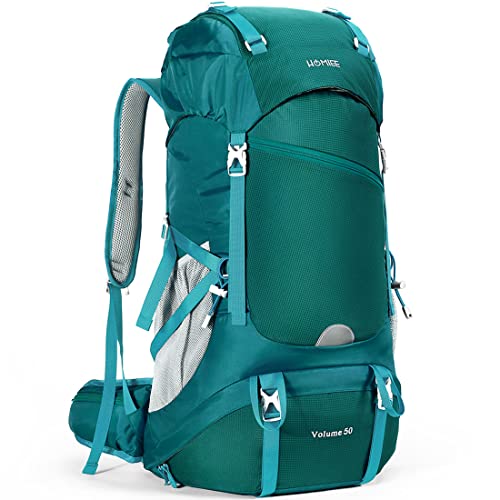
HOMIEE 50L Waterproof Hiking Backpack with Rain Cover
- ✓ Ultra-lightweight design
- ✓ Excellent back ventilation
- ✓ Multiple accessible compartments
- ✕ Hydration bladder not included
- ✕ Limited color options
| Capacity | 50 liters |
| Weight | 1.8 pounds (approx. 0.82 kg) |
| Material | 420D waterproof nylon fabric |
| Back Suspension System | Full-contact back suspension with mesh padding and ventilation channel |
| Adjustable Features | S-shaped shoulder straps, chest strap, waist belt |
| Additional Features | Rain cover included, hydration bladder pocket, multiple zippered compartments, reflective webbing |
As soon as I slipped this HOMIEE 50L backpack onto my shoulders, I noticed how lightweight it was—just 1.8 pounds—but don’t let that fool you. It feels sturdy, thanks to the durable 420D waterproof nylon fabric that handles abrasions and tears like a champ.
The full-contact back suspension system really stands out. It sat flush against my back, with large mesh pads on either side of my spine that kept air flowing.
I could feel the difference on a hot day—less sweat, more comfort, even after hours of hiking.
The adjustable S-shaped shoulder straps and chest belt made weight distribution feel natural. My muscles didn’t get sore, and I appreciated how the pack stayed snug without shifting left or right.
The waist belt helped share the load, which is a lifesaver on longer treks.
Accessing gear was a breeze thanks to the large U-shaped zipper and bottom opening. I could grab my rain jacket or snacks without rummaging through everything.
The wet/dry compartment was perfect for separating damp clothes from dry gear—really practical.
Plus, the rain cover is a huge plus. It snapped over the pack in seconds, keeping my belongings dry in unexpected showers.
The multiple zippered pockets, reflective webbing, and the whistle on the chest strap added extra convenience and safety, making it a versatile choice for all kinds of outdoor adventures.
Overall, this backpack balances weight, comfort, and smart features beautifully. It’s a solid option whether you’re heading out for a few days or just want a reliable pack for spontaneous trips.
What Features Make the Best Backpacker Backpack?
The best backpacker backpack should incorporate several key features for comfort, functionality, and durability.
- Comfortable Suspension System: A well-designed suspension system evenly distributes the weight of the backpack across the body, reducing strain on the back and shoulders. Look for padded shoulder straps and a breathable hip belt that helps stabilize the load during hikes.
- Durable Material: The material of the backpack should be tough and weather-resistant to withstand the rigors of outdoor adventures. High-denier nylon or polyester fabrics are ideal as they offer excellent abrasion resistance while being lightweight.
- Ample Storage Space: A good backpacker backpack should provide enough storage capacity to carry all necessary gear without being overly bulky. Look for a main compartment with additional pockets for organization, as well as external attachment points for items like trekking poles or sleeping bags.
- Water Resistance: A water-resistant backpack or one that comes with a rain cover is essential for protecting your gear from the elements. This feature helps ensure that your belongings stay dry during unexpected rain or river crossings.
- Adjustable Fit: An adjustable fit allows the backpack to be tailored to your body, enhancing comfort and stability. Features such as adjustable torso length, load lifter straps, and sternum straps help achieve a snug fit, accommodating different body shapes and sizes.
- Weight: The overall weight of a backpack is crucial for long hikes, as a lighter pack reduces fatigue. Opt for a lightweight design without sacrificing essential features, enabling you to carry your gear with ease over long distances.
- Ventilation: Proper ventilation is important for comfort, especially during hot weather. Look for backpacks with mesh back panels or ventilation channels that promote airflow, preventing overheating and excessive sweating.
- Accessibility: Easy access to your gear can make a big difference on the trail. Features like top-loading and front-loading designs, as well as side pockets, allow for quick retrieval of items without unpacking the entire bag.
Why is Weight Important in a Backpacker Backpack?
According to research published in the Journal of Sports Sciences, carrying a heavy load can significantly increase the risk of injury and fatigue, which affects a backpacker’s ability to maintain a steady pace over long distances (Kern et al., 2016). The study emphasizes that excessive weight can lead to biomechanical strain, particularly in the lower back and knees, which can hinder performance and enjoyment.
The underlying mechanism involves the relationship between the weight of the backpack and the body’s energy expenditure. The more weight a backpacker carries, the more energy they must exert to counterbalance that load, leading to quicker fatigue. Furthermore, a heavy backpack can alter a person’s gait and posture, putting additional stress on muscles and joints. This can result in discomfort and the potential for longer-term injuries, which is why selecting the best backpacker backpack with an optimal weight-to-capacity ratio is vital for any serious hiker.
How Does Size Impact Comfort and Functionality?
Size plays a crucial role in the comfort and functionality of a backpack for backpackers.
- Capacity: The capacity of a backpack is typically measured in liters and determines how much gear can be carried. A larger capacity offers more storage for extended trips, but can lead to discomfort if overpacked, while smaller backpacks encourage minimalist packing, which can enhance mobility and ease of use.
- Fit: The fit of a backpack is vital for comfort, with sizes often categorized by torso length and hip size. A properly fitted backpack distributes weight evenly across the body, reducing strain and increasing endurance, while an ill-fitting pack can cause discomfort and fatigue during long hikes.
- Dimensions: The dimensions of a backpack, including height, width, and depth, affect how well it can be maneuvered in various environments. A narrower design can help with navigating tight spaces and keeping a low profile, while a bulkier pack may provide better access to larger gear but can hinder movement in densely forested areas.
- Weight: The weight of the backpack itself plays a significant role in overall comfort, especially on long treks. Lightweight backpacks allow for easier mobility and less fatigue, whereas heavier backpacks, though potentially more durable or feature-rich, can lead to quicker exhaustion if not balanced with the weight of the gear inside.
- Adjustability: The adjustability of straps and belts is crucial for customizing fit and comfort. Features like adjustable shoulder straps, hip belts, and load lifters allow backpackers to tailor the pack to their body shape, which helps in achieving a more comfortable carry and better weight distribution.
What Are the Best Brands for Backpacker Backpacks?
The best brands for backpacker backpacks include:
- Osprey: Known for their innovative designs and comfort, Osprey backpacks often feature adjustable harness systems that ensure a perfect fit. Their models, like the Osprey Atmos and Osprey Exos, are particularly favored for their lightweight materials and excellent ventilation, making them ideal for long hikes and backpacking trips.
- Deuter: Deuter backpacks are renowned for their durability and ergonomic designs, which provide great support during long treks. Their Aircomfort back system maximizes ventilation, keeping the user cool while also distributing weight evenly, making them a popular choice among serious backpackers.
- Gregory: Gregory packs are celebrated for their customized fit and comfort, with models such as the Gregory Baltoro and Deva being particularly popular among trekkers. They often include features like hydration reservoirs and multiple access points, ensuring easy organization and accessibility of gear while on the move.
- REI Co-op: As a retailer, REI Co-op offers its own line of backpacks that balance affordability with quality. The REI Flash and REI Trail packs are lightweight and user-friendly, making them great options for novice backpackers looking for reliable yet budget-friendly gear.
- North Face: The North Face is well-known for producing high-quality outdoor gear, including backpacks that are both stylish and functional. Their backpacks, such as the North Face Vault and Recon, include ample storage and organizational compartments, making them versatile for both travel and outdoor adventures.
- Millet: Specializing in alpine sports, Millet backpacks are designed for rugged use in challenging environments. Their packs, like the Millet Prolighter, are lightweight yet robust, often featuring reinforced areas for climbing gear and other outdoor essentials, appealing to serious adventurers.
Which Brands Are Renowned for Quality and Durability?
Some renowned brands for quality and durability in the backpacking market include:
- Osprey: Known for their innovative designs and comfort, Osprey backpacks often feature adjustable harnesses and multiple compartments. Their commitment to quality is reflected in their All Mighty Guarantee, which covers repairs for any defects in materials and workmanship.
- Deuter: A pioneer in the outdoor gear industry, Deuter focuses on ergonomic designs that cater to outdoor enthusiasts. Their backpacks are made with robust materials that withstand harsh conditions, and they offer a variety of models to suit different types of backpackers.
- Gregory: Gregory specializes in backpacks tailored for long-distance trekking, emphasizing fit and weight distribution. Their products often incorporate advanced materials and technologies, ensuring that they remain durable while providing excellent support and comfort on the trail.
- REI Co-op: Known for their high-quality outdoor gear, REI Co-op backpacks combine functionality with affordability. They offer a range of options that are designed for durability and comfort, making them a great choice for both novice and seasoned backpackers.
- The North Face: This brand is synonymous with outdoor exploration and offers a variety of rugged backpacks that are built to last. The North Face focuses on performance-driven designs, often incorporating weather-resistant materials to protect gear from the elements.
What Models Are Considered the Best for Backpacking?
The best backpacker backpacks are typically characterized by their durability, comfort, and capacity for long treks.
- Osprey Atmos AG: This backpack features a unique Anti-Gravity suspension system that provides excellent weight distribution and ventilation. It is designed for multi-day trips with ample storage and multiple pockets for organization.
- Deuter Aircontact Lite: Known for its durability and comfort, this model has a robust frame and adjustable harness that ensures a snug fit. It is ideal for heavy loads and offers a variety of external attachment points for gear.
- Gregory Baltoro: This backpack is celebrated for its custom fit and support, featuring a torso adjustment system that accommodates different body shapes. It also includes a well-ventilated back panel and plenty of compartments for gear organization.
- REI Co-op Flash: A lightweight option, this backpack is perfect for minimalist backpackers who prioritize weight savings. Despite its lightness, it has a surprisingly good capacity and is designed for comfort, making it a great choice for shorter trips.
- Arc’teryx Bora AR: This high-end backpack is known for its weather resistance and innovative R-Canvas material. It combines a minimalist design with advanced suspension technology, making it suitable for extreme conditions and rugged terrain.
How Do Popular Models Compare in Terms of Features and Value?
| Model | Features | Value | Weight | Warranty | User Ratings | Color Options | Additional Features |
|---|---|---|---|---|---|---|---|
| Model A | Durable, waterproof material, 60L capacity, multiple pockets. | $150 – Great for long trips with excellent durability. | 3.5 lbs | 2 years | 4.5/5 – Highly rated for durability. | Black, Blue, Green | Includes rain cover, gear loops. |
| Model B | Lightweight design, 50L capacity, adjustable straps, hydration reservoir. | $120 – Good balance of weight and functionality. | 2.8 lbs | 1 year | 4.2/5 – Popular for comfort. | Red, Grey, Yellow | Hydration compatible, detachable daypack. |
| Model C | Compact size, 40L capacity, budget-friendly, basic features. | $80 – Ideal for short trips or occasional use. | 2.5 lbs | 6 months | 3.8/5 – Good for casual use. | Black, Navy, Olive | No additional features. |
How Can You Choose the Right Backpacker Backpack for Your Adventure?
Choosing the right backpacker backpack is crucial for a comfortable and enjoyable adventure.
- Size: The size of the backpack should match the duration of your trip and the amount of gear you plan to carry.
- Weight: A lightweight backpack is essential for long treks, as it reduces strain and fatigue over time.
- Fit: The fit of the backpack is vital; it should comfortably sit on your hips and shoulders to distribute weight evenly.
- Features: Look for specific features such as pockets, hydration systems, and rain covers that enhance functionality.
- Durability: The material and construction quality should be robust to withstand the wear and tear of outdoor activities.
- Price: Consider your budget while ensuring you don’t compromise on quality; sometimes, investing a bit more can pay off in durability.
The size of the backpack should match the duration of your trip and the amount of gear you plan to carry. For weekend trips, a 40-50 liter backpack may suffice, while for longer journeys, a 60-70 liter capacity is often recommended to accommodate extra supplies.
A lightweight backpack is essential for long treks, as it reduces strain and fatigue over time. Opting for a pack that weighs under 3 pounds can make a significant difference, especially when you’re covering many miles each day.
The fit of the backpack is vital; it should comfortably sit on your hips and shoulders to distribute weight evenly. A well-fitted backpack will prevent chafing and discomfort, allowing you to focus on your adventure rather than on your gear.
Look for specific features such as pockets, hydration systems, and rain covers that enhance functionality. Pockets can help keep your gear organized, while a hydration system allows for easy access to water without stopping to dig through your pack.
The material and construction quality should be robust to withstand the wear and tear of outdoor activities. High-denier nylon or polyester is often used in quality backpacks, providing both strength and water resistance.
Consider your budget while ensuring you don’t compromise on quality; sometimes, investing a bit more can pay off in durability. A higher-quality backpack may last through multiple adventures, making it a worthwhile investment in the long run.
What Factors Should You Consider Based on Your Backpacking Style?
When choosing the best backpacker backpack, several factors should be considered based on your personal backpacking style.
- Size and Capacity: The size of the backpack should match the length of your trips. A smaller pack is suitable for weekend hikes, while a larger pack is necessary for multi-week excursions, allowing for more gear and supplies.
- Weight: The overall weight of the backpack itself is crucial, especially for long-distance trekking. A lighter pack reduces strain on your body, enabling you to hike longer distances with less fatigue.
- Fit and Comfort: A well-fitted backpack distributes weight evenly and minimizes discomfort. Look for adjustable straps, padded hip belts, and a design that suits your torso length to ensure maximum comfort during prolonged use.
- Durability: The materials and construction quality impact a backpack’s lifespan. High-denier fabrics and reinforced stitching provide better resistance to wear, tear, and harsh weather conditions, which is essential for rugged outdoor use.
- Storage Options: Different backpacking styles require varying storage solutions. Features like multiple compartments, external pockets, and hydration reservoir sleeves can enhance organization and accessibility during your hikes.
- Weather Resistance: Depending on your backpacking environment, weather resistance can be a deciding factor. Some backpacks come with built-in rain covers or are made from water-resistant materials, ensuring your gear stays dry during unexpected downpours.
- Ventilation: Proper ventilation helps reduce sweat buildup on your back, making hikes more comfortable. Look for backpacks with mesh panels or airflow channels that promote breathability, especially in warm climates.
- Accessibility: Consider how easily you can access your gear while on the move. Some backpacks feature side zippers or front-loading designs that allow for quick access to items without having to unpack everything.
- Customization Options: Some backpacks offer modular attachments or removable components, allowing you to adapt your pack to different trips. This flexibility can be beneficial for both short hikes and extended treks, accommodating changing needs.
What Are Common Mistakes to Avoid When Selecting a Backpacker Backpack?
When selecting a backpacker backpack, avoiding common mistakes can significantly enhance your travel experience.
- Choosing the Wrong Size: It’s crucial to select a backpack that fits your body size and shape. A poorly sized backpack can lead to discomfort and strain, making your journey less enjoyable.
- Ignoring Weight Distribution: Many travelers overlook the importance of how weight is distributed in the backpack. A well-designed backpack with an adjustable suspension system helps balance the load, minimizing fatigue and allowing for better mobility.
- Neglecting to Test the Backpack: Trying on a backpack is essential before making a purchase. Walking around with it for a short period can help you assess comfort levels, fit, and any potential pressure points that might cause discomfort on longer treks.
- Overlooking Features: Different backpacks come with various features such as pockets, hydration reservoirs, and rain covers. It’s important to consider what features are necessary for your specific travel style to ensure that the backpack meets your needs effectively.
- Focusing Solely on Price: While budget is important, prioritizing cost above all else can lead to purchasing a low-quality backpack. Investing in a durable, well-constructed backpack may save money in the long run by avoiding frequent replacements.
- Not Considering the Trip Duration: The length of your trip should influence your backpack choice. For shorter trips, a smaller daypack may suffice, while longer adventures may require a larger backpack with more capacity for gear and supplies.
- Disregarding Weather Conditions: Not all backpacks are designed to withstand harsh weather. If you’ll be hiking in wet or cold conditions, look for a backpack with water-resistant materials and adequate insulation to protect your belongings.
- Forgetting About Access and Organization: Easy access to your gear can make a big difference, especially when you’re on the move. Opt for backpacks that offer multiple entry points or organizational pockets to keep your essentials accessible and well-organized.