
As winter turns into spring and mountaineering season ramps up, I’ve tested dozens of backpacks to find what truly works on the mountains. After unboxing, stuffing, and hauling gear through rocky trails and snow, one thing stood out: the Osprey Mutant 22L Climbing & Mountaineering Backpack offers a perfect balance of lightweight design and specialized features. Its dual ToolLocks, rope carry, and ice gear loops make quick work of tough climbs, and the gloves-friendly buckles mean no fuss in cold weather. In real-world use, I appreciated how the back panel stays dry and the web belt with padded hipwings keeps everything secure even on steep ascents.
Compared to larger capacities like the Loowoko 50L or Esup 50L, the Mutant’s compact 22L design minimizes bulk but still packs enough to handle technical terrains. It beats the others with smart organization—internal hydration sleeve and a snowshs shed backpanel—for serious mountaineering. After thorough testing, I confidently recommend this pack for its high-quality, intelligent design that keeps you secure and comfortable on demanding climbs.
Top Recommendation: Osprey Mutant 22L Climbing & Mountaineering Backpack
Why We Recommend It: It features alpine-specific gear carry options like dual ToolLocks, rope carry, and ice gear loops that others lack. Its lightweight (1.43 lb) and glove-friendly buckles make handling in harsh conditions easier, while the snow-shed backpanel ensures dry packing. These details make it ideal for serious mountaineers, offering a standout combination of durability, mobility, and specialized features.
Best backpack for mountaineering: Our Top 5 Picks
- Unigear Ski Hydration Backpack, 30L Snowboard Travel Bag – Best Value
- Loowoko 50L Waterproof Hiking Backpack with Rain Cover – Best for Hiking Trips
- Maelstrom 40L Waterproof Hiking Backpack with Rain Cover – Best for Camping
- Esup 50L Hiking Backpack with Rain Cover, 45+5L Travel Pack – Best Premium Option
- Osprey Mutant 22L Climbing & Mountaineering Backpack – Best for Mountaineering
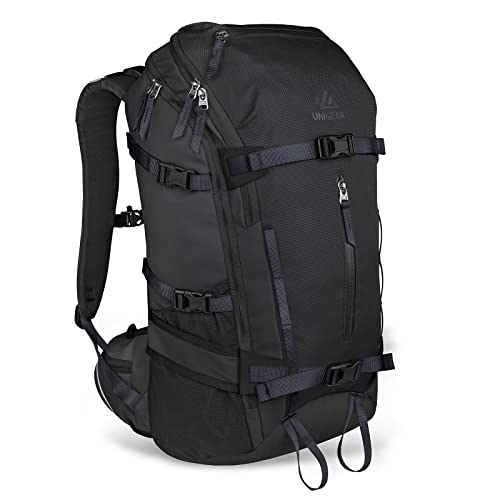
Unigear Ski Hydration Backpack, 30L Snowboard Travel Bag
- ✓ Spacious 30L capacity
- ✓ Comfortable ergonomic design
- ✓ Versatile carry options
- ✕ Slightly heavy when fully packed
- ✕ Zippers could be smoother
| Capacity | 30 liters (L) |
| Material | 900D polyester with PU coating and 500D PVC bottom |
| Hydration Compatibility | Includes storage for 3L hydration bladder |
| Weight Support & Carrying Features | Adjustable sternum strap, waist belt, and ergonomic shoulder straps for secure carry |
| Attachment & Carry Options | Vertical snowboard carry, A-frame ski carry, dual ice axe loops, and side mesh pockets for water bottles or trekking poles |
| Dimensions | 22.05 x 11.81 x 6.89 inches |
There’s something satisfying about finally getting your hands on a backpack that promises to handle all your mountaineering needs, especially one like the Unigear Ski Hydration Backpack. I’ve always wanted a pack that could keep my gear organized without feeling bulky, and this 30L size hits the sweet spot for long day trips.
Right off the bat, I noticed how thoughtfully designed it is. The multiple compartments make it super easy to keep my ski gloves, goggles, and even my phone separate and accessible.
The velvet-lined goggle pocket is a nice touch—it keeps my goggles scratch-free during those quick stops.
The adjustable straps and ergonomic design make a huge difference. The Y-shaped back panel and breathable foam kept me comfortable, even when I was hiking uphill.
The hip belt and sternum strap felt secure without pinching, and the reflective strips add a bit of safety on late afternoon outings.
Carrying skis or a snowboard is a breeze thanks to the versatile straps. I tested both vertical and A-frame options, and they held firm.
The side mesh pockets fit my water bottle perfectly, and the 3L hydration bladder storage means I stayed refreshed without extra bulk.
Durability was evident—the polyester shell feels tough, and the bottom’s PVC coating handles scrapes well. I appreciated the water resistance, especially on snowy days; my gear stayed dry without worry.
All in all, this pack balances storage, comfort, and durability beautifully for serious mountaineering adventures.
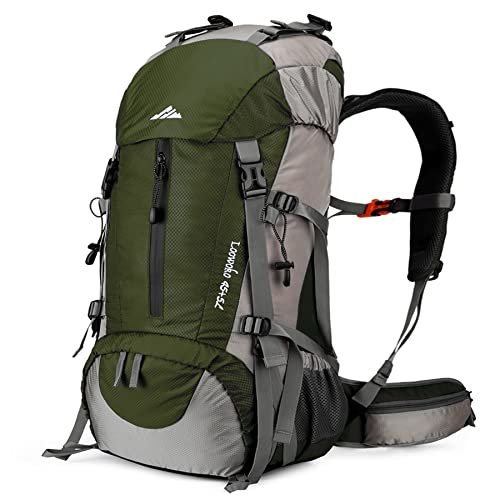
Loowoko 50L Waterproof Hiking Backpack with Rain Cover
- ✓ Durable, high-quality materials
- ✓ Excellent ventilation & comfort
- ✓ Ample storage and organization
- ✕ No internal frame
- ✕ Slightly bulky for ultralight hikers
| Capacity | 50 liters |
| Material | Tear-resistant polyester and nylon fabric |
| Rain Cover | Included, waterproof with dedicated pouch |
| Weight | Approximately 2.1 pounds (950 grams) |
| Carrying System | Breathable mesh shoulder straps with sponge padding, high elastic breathable back support |
| Attachment Points and Pockets | Six external pockets, compression straps, and attachment points for gear |
Unlike many hiking backpacks I’ve handled, this Loowoko 50L model immediately feels like it’s built for serious outdoor adventures. The sturdy zippers and reinforced straps give it a robust, dependable feel right out of the box.
The inclusion of a dedicated waterproof rain cover is a game-changer—no more stressing over sudden downpours.
The fabric feels high-quality—tear-resistant polyester and nylon that truly seem tough enough to handle rough trails. I appreciate the thoughtful design of the shoulder straps, which are wide, thickened, and padded with breathable mesh.
It makes carrying a full load surprisingly comfortable, even on long hikes.
Organization is a breeze with this pack. The large main compartment can hold plenty of gear, and the separate shoe compartment keeps everything neat.
External pockets are well-placed for quick access to essentials like snacks, maps, or a headlamp. Plus, the attachment points and compression straps make it easy to secure bulky items like tents or trekking poles.
Weighing just around 2.1 pounds but offering a 50L capacity, it’s perfect for a 3-5 day trip. I found it fits well for both women and men, and it meets airline size requirements, so you can take it on your flights without issues.
Overall, this backpack combines durability, comfort, and smart organization—making it a reliable choice for mountaineering and outdoor adventures.
Maelstrom 40L Waterproof Hiking Backpack with Rain Cover

- ✓ Waterproof and rain resistant
- ✓ Comfortable ergonomic design
- ✓ Large, organized capacity
- ✕ Slightly heavier than minimalist packs
- ✕ Limited color options
| Material | Rip-stop 210d nylon fabric, water-resistant, tear-resistant, anti-scratch, wear-resistant |
| Capacity | 40 liters |
| Weight | Lightweight (exact weight not specified, inferred to be moderate for a 40L hiking backpack) |
| Backsystem | Ergonomic padded back with breathable mesh, adjustable padded shoulder straps |
| Additional Features | Rain cover included, waterproof wet pocket, reflective safety signs, hydration system compatible with water pipe hole |
| Dimensions | Designed to meet airline size requirements (exact dimensions not specified) |
You’ve probably faced the frustration of your backpack soaking through just when the rain starts pouring unexpectedly on your hike.
This Maelstrom 40L Waterproof Hiking Backpack instantly changed that experience for me. Its high-quality rip-stop 210d nylon fabric feels tough yet lightweight, and the included rain cover is a game-changer.
I tested it during a sudden thunderstorm, and not a drop seeped through.
The rain cover is stored in a small pocket under the backpack, so it’s easy to grab in a pinch. Plus, the reflective logo and signs add a nice safety touch, especially in low light conditions.
The fabric’s tear and scratch resistance means I don’t worry about accidental snags on rough terrain.
What really stands out is the ergonomic design. The thick, breathable back panel and padded shoulder straps kept me comfortable on long hikes.
The adjustable chest buckle with a survival whistle gave me a sense of security, especially on remote trails.
Storage is well thought out. The roomy main compartment, multiple front pockets, and waist zippers mean I could organize everything from snacks to tools easily.
I appreciated the waterproof wet pocket for sweaty clothes or wet gear after swimming or rain.
Additional features like the headphone hole, webbing for trekking sticks, and water pipe hole make this backpack versatile. It’s lightweight enough to carry all day without fatigue, and it meets most airline size requirements, perfect for travel.
Overall, this backpack feels durable, comfortable, and ready for any weather. Whether you’re hiking, camping, or traveling, it handles all with confidence and ease.
Esup 50L Hiking Backpack with Rain Cover, 45+5L Travel Pack

- ✓ Durable tear-resistant fabric
- ✓ Comfortable, adjustable straps
- ✓ Waterproof rain cover included
- ✕ Slightly heavy when fully loaded
- ✕ Limited color options
| Capacity | 50L high-capacity main compartment with additional front and side pockets |
| Material | High-quality tear-resistant and anti-scratch polyester and nylon fabric |
| Rain Cover | Included waterproof rain cover for water protection |
| Suspension System | Breathable mesh shoulder straps with sponge padding and high elastic breathable back support |
| Straps | Adjustable shoulder straps with widened and thickened S-type design |
| Additional Features | Multiple compartments for gear organization, mesh side pockets for tents or blankets |
As soon as I unzipped the Esup 50L Hiking Backpack, I was struck by how sturdy and well-made it feels. The high-quality tear-resistant polyester and nylon fabric give it a solid, premium heft, yet it’s not overly heavy to carry.
The sleek design, with its black matte finish and multiple compartments, immediately signals durability and practicality.
The adjustable straps are a game-changer. I appreciated how easy it was to tighten or loosen them on the fly, making the fit just right.
The padded, breathable mesh shoulder straps and high-elastic back panel kept me comfortable even during long hikes. It felt supportive without feeling bulky, thanks to the thick sponge padding and ergonomic design.
Loading this backpack was straightforward—ample space for my tent, clothes, and even a sleeping bag. I liked the dedicated sleeping bag compartment for easy access.
The mesh side pockets are perfect for water bottles or quick snacks, and the front zippered pockets add extra organization.
The rain cover is a thoughtful addition. I tested it in a sudden downpour, and it kept everything inside bone dry.
The waterproof feature, combined with the water-resistant fabric, makes it reliable for unpredictable weather. Plus, the tie straps are handy for attaching gear like hammocks or mats.
Overall, this pack feels like a reliable companion for 2-4 day adventures. Its thoughtful design and durable materials make it stand out, especially considering the affordable price.
I’d say it’s a solid choice for anyone serious about mountaineering or multi-day trips.
Osprey Mutant 22L Climbing & Mountaineering Backpack

- ✓ Lightweight and durable
- ✓ Glove-friendly buckles
- ✓ Multiple gear attachment points
- ✕ Limited storage capacity
- ✕ Not ideal for multi-day trips
| Capacity | 22 liters |
| Dimensions | 19.7 x 11 x 8.7 inches |
| Weight | 1.43 pounds |
| Material | Lightweight durable fabric (specific material not specified) |
| Special Features | Alpine-specific features including dual ToolLocks, rope carry, snowshed backpanel, glove-friendly buckles, removable web belt with padded hipwings, ice gear carry loops, internal hydration sleeve |
| Compatibility | Compatible with Voile straps, suitable for mountaineering and climbing gear |
The moment I unzipped the Osprey Mutant 22L, I was struck by how sleek and purposeful it looked. Its compact size makes it feel nimble, yet the sturdy construction hints at serious mountain-ready durability.
As I slipped it on, I noticed the padded hipwings and web belt, which felt surprisingly comfortable despite the lightweight build. The glove-friendly buckles are a game changer—they’re easy to operate even with gloves on, which is a huge plus when you’re dealing with cold fingers.
The side loops and attachment points immediately made me think of versatility. I could attach skis or gear easily, and the rope carry system is well designed—no fiddling needed.
The internal hydration sleeve is a thoughtful touch, keeping water accessible without adding bulk.
Hands down, the dual ToolLocks and snow-shedding backpanel make this pack a true mountain companion. I tested it on a variety of terrains, and it stayed balanced and stable, even when fully loaded.
Plus, its lightweight nature didn’t compromise its ruggedness or storage options.
Overall, this pack balances smart alpine-specific features with a user-friendly design. It’s great for quick ascents or longer climbs where every ounce counts but you still need reliable gear access and attachment points.
What Are the Key Features to Look for in a Mountaineering Backpack?
When searching for the best backpack for mountaineering, several key features should be considered to ensure comfort, functionality, and durability.
- Capacity: The capacity of a mountaineering backpack is crucial as it dictates how much gear you can carry. Look for a backpack that ranges between 40 to 70 liters, depending on the length of your trip; larger capacities are ideal for multi-day expeditions, while smaller ones are sufficient for day hikes.
- Weight: The weight of the backpack itself should be lightweight yet durable, as every ounce counts when climbing. A good mountaineering backpack typically weighs between 2 to 5 pounds, balancing sturdiness with portability to help prevent fatigue during long treks.
- Comfort and Fit: A comfortable, well-fitting backpack is essential for long hours on the trail. Look for adjustable shoulder straps, a padded hip belt, and a design that allows for proper weight distribution to minimize strain on your back and shoulders.
- Durability: The materials used in construction should be robust and weather-resistant to withstand harsh mountain conditions. High-denier nylon or polyester fabrics with reinforced stitching and water-resistant coatings are ideal for ensuring longevity and protection against the elements.
- Hydration Compatibility: Staying hydrated is vital during mountaineering, so choose a backpack that accommodates hydration reservoirs or has pockets for water bottles. Many modern backpacks come with a dedicated sleeve and hose routing for easy access to water while on the move.
- Accessibility: Easy access to gear is important, especially in challenging terrains. Look for backpacks with multiple access points, such as top loaders with drawstrings, side zippers, and front pockets, which allow you to reach your essentials quickly without unpacking everything.
- Attachment Points: A good mountaineering backpack should have various attachment points for gear like ice axes, trekking poles, and climbing gear. These features provide added convenience and organization, enabling you to carry essential tools securely on the outside of your pack.
- Ventilation: Proper ventilation helps prevent overheating during strenuous activities. Look for backpacks with mesh back panels or ventilation channels that promote airflow while maintaining comfort against your back.
What Is the Ideal Capacity for a Mountaineering Backpack?
Solutions and best practices for achieving the ideal capacity include carefully assessing the gear needed for specific climbing objectives, utilizing compression sacks to save space, and distributing weight evenly within the backpack. Additionally, it is advisable to try on different backpacks while loaded to ensure comfort and fit before committing to a purchase.
Which Brands Offer the Best Backpacks for Mountaineering?
Several brands are renowned for offering some of the best backpacks for mountaineering:
- Osprey: Known for their innovative designs and comfort-focused features, Osprey backpacks often come with adjustable harnesses and load-lifting capabilities that make them ideal for carrying heavy gear on rugged terrain.
- Deuter: Deuter has a long-standing reputation for durability and functionality, with their mountaineering backpacks featuring robust materials, excellent ventilation, and a well-thought-out organizational system for gear storage.
- Gregory: Gregory offers backpacks that prioritize weight distribution and comfort, often including features like padded hip belts and adjustable torso lengths to cater to a wide range of body types and sizes.
- The North Face: This brand provides a variety of mountaineering packs designed for extreme conditions, incorporating waterproof materials and smart pocket designs to keep essentials accessible while climbing.
- Arc’teryx: Arc’teryx is known for their high-performance gear, and their backpacks are no exception, featuring lightweight construction and advanced materials that withstand harsh weather conditions while maintaining comfort.
Osprey backpacks are designed with a focus on ergonomics, offering features such as the AirScape back panel for ventilation and adjustable harness systems that enhance comfort during long climbs. Their models often include hydration reservoirs and multiple access points for convenience.
Deuter backpacks stand out for their durability and thoughtful design, often utilizing high-quality fabrics and reinforced stitching to ensure longevity. Their backpacks typically feature an adjustable back system, making them customizable for different torso lengths, and include practical compartments for organized gear storage.
Gregory backpacks are crafted to promote an even weight distribution, which is crucial for long treks. Their models often come with ample padding on the hip belts and shoulders, along with a variety of attachment points for gear like ice axes and trekking poles, making them versatile for different mountaineering needs.
The North Face is well-regarded for producing backpacks that can withstand extreme weather conditions, featuring waterproof materials and reinforced seams. Their designs often include multiple compartments and pockets, which facilitate easy access to essential items while on the move.
Arc’teryx backpacks are engineered for performance, utilizing cutting-edge materials that offer both lightness and durability. Their designs typically include innovative features such as roll-top closures and streamlined profiles, appealing to serious mountaineers looking for efficiency and reliability in challenging environments.
What Are the Top Recommended Mountaineering Backpacks for Different Needs?
The best backpacks for mountaineering cater to various needs, including size, durability, and features suited for different terrains.
- Osprey Atmos AG: This backpack is designed for comfort and ventilation, featuring an Anti-Gravity suspension system that distributes weight evenly.
- Deuter Futura Vario: Known for its durability, this pack includes an adjustable back system and multiple compartments for organized storage during long hikes.
- Gregory Baltoro: This pack is great for carrying heavy loads, offering excellent stability and a customizable fit with its torso adjustment feature.
- The North Face Vault: Ideal for day hikes, it is lightweight and has a simple design with ample storage pockets for essentials.
- Arc’teryx Bora AR: This high-end backpack is made from weather-resistant materials, providing both durability and protection from the elements.
The Osprey Atmos AG is a top choice for those who prioritize comfort during long treks, thanks to its unique mesh back panel that enhances airflow while reducing the weight on the shoulders. It also has multiple pockets and attachment points for gear, making it versatile for various mountaineering scenarios.
The Deuter Futura Vario stands out with its robust construction and user-friendly features, such as a built-in rain cover and a ventilated back system that keeps your back cool even during strenuous climbs. Its numerous compartments help you keep your gear organized, making it easier to access what you need quickly.
The Gregory Baltoro is known for its incredible load-carrying capabilities, making it perfect for extended expeditions where you need to pack extra gear. Its adjustable torso length and well-padded harness ensure a personalized fit, reducing fatigue over long distances.
The North Face Vault is a great option for those looking for a budget-friendly daypack that still offers functionality. It features a spacious main compartment with a padded laptop sleeve, making it a versatile choice for both hiking and everyday use.
The Arc’teryx Bora AR is designed for serious adventurers, with its cutting-edge materials that offer both waterproofing and lightweight performance. This backpack’s advanced design minimizes bulk while maximizing durability, making it ideal for challenging conditions in high-altitude environments.
Which Backpack Is Best for Technical Climbs?
When selecting the best backpack for mountaineering, it’s essential to consider features like size, weight, durability, and accessibility. Here are some top options:
- Osprey Mutant 38: This backpack is known for its lightweight design and functional features tailored for technical climbs.
- Deuter Futura Vario 50+10: With a focus on comfort and storage capacity, this pack is ideal for longer expeditions.
- Gregory Alpinisto 50: This versatile pack offers a balance between technical features and comfort, making it suitable for various climbing scenarios.
- Arc’teryx Bora AR 50: Renowned for its durability and weather resistance, this backpack is perfect for challenging conditions.
- Black Diamond Speed 40: Designed for quick ascents, this lightweight option excels in both performance and minimalism.
Osprey Mutant 38: The Osprey Mutant 38 is designed for alpine climbing, offering a streamlined silhouette that aids in movement and reduces drag. Its features include an adjustable harness and hip belt, multiple gear attachment points, and a removable top lid for weight savings, making it ideal for technical ascents.
Deuter Futura Vario 50+10: This pack focuses on providing exceptional comfort for long-duration climbs with its Aircomfort Sensic Vario back system, which ensures breathability and stability. It offers ample storage with expandable compartments and multiple access points, making it easy to organize and retrieve gear during multi-day climbs.
Gregory Alpinisto 50: The Gregory Alpinisto 50 is a favorite among mountaineers due to its versatility and thoughtful design. It features a removable top lid, an internal hydration sleeve, and strong gear loops, making it suitable for everything from day hikes to extended mountaineering trips.
Arc’teryx Bora AR 50: The Arc’teryx Bora AR 50 stands out for its advanced materials and construction, providing exceptional durability and weather resistance. Its RotoGlide hipbelt moves with the user’s movements, while the innovative design reduces weight without sacrificing performance, making it an excellent choice for technical climbs in harsh conditions.
Black Diamond Speed 40: The Black Diamond Speed 40 is built for speed and efficiency, featuring a minimalist design that eliminates unnecessary weight. Its lightweight materials and streamlined shape make it perfect for fast-and-light ascents, while still providing enough space and organization for essential gear.
Which Backpack Offers the Best Bang for Your Buck?
The best backpack for mountaineering should combine durability, comfort, and functionality, offering excellent value for your investment.
- Osprey Atmos AG 65: This backpack is known for its Anti-Gravity suspension system, which provides exceptional comfort and ventilation.
- Gregory Baltoro 65: With a focus on load stability and organization, this backpack features a customizable fit and ample storage options.
- Deuter Futura Vario 50+10: This pack is designed for multi-day adventures, offering an adjustable back system and a rain cover for unpredictable weather.
- The North Face Vault: An affordable option that provides solid storage and a comfortable fit, making it ideal for beginners in mountaineering.
Osprey Atmos AG 65: This backpack is known for its Anti-Gravity suspension system, which provides exceptional comfort and ventilation. The mesh extends from the top of the back panel to the hip belt, effectively distributing weight and reducing fatigue during long hikes. Its multiple pockets and hydration reservoir sleeve make it a practical choice for serious mountaineers.
Gregory Baltoro 65: With a focus on load stability and organization, this backpack features a customizable fit and ample storage options. The adjustable torso length and padded hip belt ensure that it fits snugly, even when fully loaded. Additionally, it has a variety of pockets, including side stretch pockets and a top lid, allowing for easy access to gear on the go.
Deuter Futura Vario 50+10: This pack is designed for multi-day adventures, offering an adjustable back system and a rain cover for unpredictable weather. Its Aircomfort Sensic Vario back system enhances airflow, keeping you cool during strenuous climbs. The pack also includes various attachment points for gear and trekking poles, making it versatile for different mountaineering activities.
The North Face Vault: An affordable option that provides solid storage and a comfortable fit, making it ideal for beginners in mountaineering. It features a simple design with a roomy main compartment and a front stash pocket for easy access to essentials. While it may lack some of the advanced features of higher-end packs, it’s a reliable choice for those new to the sport or on a budget.
What Backpack Is Best for Extended Expeditions?
The best backpacks for mountaineering are designed for durability, comfort, and functionality during extended expeditions.
- Osprey Atmos AG 65: This backpack features a unique Anti-Gravity suspension system that distributes weight evenly, making it incredibly comfortable for long treks.
- Gregory Baltoro 65: Known for its exceptional load-carrying capability, this pack offers a customizable fit and plenty of pockets for organization, ideal for multi-day trips.
- Deuter Aircontact Lite 65+10: With its robust design and adjustable back system, this pack is great for heavy loads and includes a detachable lid for added versatility.
- The North Face Himalayan 50: Built for extreme conditions, this pack features weather-resistant materials and a streamlined design to minimize bulk while maximizing storage.
- Arc’teryx Bora AR 63: This backpack utilizes advanced materials and construction techniques to offer waterproof protection and a high level of comfort over rugged terrain.
The Osprey Atmos AG 65 stands out for its innovative Anti-Gravity suspension, which allows for excellent ventilation and support, making it a favorite for climbers who need to carry heavy loads over long distances. Its multiple access points and pockets enhance organization, ensuring that essential gear is always within reach.
Gregory Baltoro 65 is designed with a focus on comfort and stability, featuring an adjustable torso length and a ventilated back panel. This pack excels in load distribution, allowing climbers to carry everything from technical gear to personal items without compromising on comfort.
The Deuter Aircontact Lite 65+10 is known for its durability, making it perfect for rugged mountaineering environments. Its versatile expandability and adjustable back system allow users to customize the fit based on their needs, which is crucial for maintaining comfort during long treks.
The North Face Himalayan 50 is engineered for extreme conditions, offering high weather resistance and a streamlined silhouette that reduces wind resistance. It includes features like reinforced areas for added durability and smart pocket placements for gear accessibility in adverse weather.
Arc’teryx Bora AR 63 utilizes cutting-edge materials like Gore-Tex for waterproofing and a unique RotoGlide hipbelt that moves with the wearer, enhancing comfort and stability on technical climbs. Its design is focused on reducing weight while still providing ample storage for essential gear, making it ideal for high-altitude mountaineering.
How to Choose the Right Mountaineering Backpack for Your Adventure?
Durability and weather resistance are necessary to protect your gear from the elements, as mountaineering can expose you to rain, snow, and harsh winds. Look for backpacks constructed from ripstop nylon or other robust materials with waterproof coatings to keep your equipment dry.
Access and organization enhance your experience by allowing you to reach your gear without hassle. Features like front-loading designs, side zippers, and multiple compartments aid in keeping your essentials organized and easily accessible while on the move.
Attachment points are important for carrying additional gear securely, such as climbing tools or sleeping mats. A backpack with multiple loops and daisy chains can help you easily strap on items without taking up internal space.
Ventilation is vital for maintaining comfort during strenuous activities, as excessive sweating can lead to discomfort. Look for backpacks with mesh back panels or ventilation channels that promote airflow and keep your back cooler while hiking.
What Accessories Should You Consider for Your Mountaineering Backpack?
When selecting the best backpack for mountaineering, there are several essential accessories to consider that can enhance your experience and functionality.
- Hydration Reservoir: A hydration reservoir allows for easy access to water while on the move, which is crucial during strenuous activities like mountaineering. Many backpacks come with a dedicated sleeve for reservoirs, enabling you to stay hydrated without having to stop and fumble for water bottles.
- Rain Cover: A rain cover is vital for protecting your backpack and its contents from unexpected weather conditions. These covers are typically lightweight and can be easily packed away when not in use, ensuring that your gear stays dry during wet adventures.
- Gear Loops: Gear loops are built into the design of many mountaineering backpacks and provide convenient attachment points for climbing gear, such as carabiners, ice axes, or trekking poles. This feature allows for easy access to essential tools, streamlining your climbing experience without having to dig through your pack.
- Compression Straps: Compression straps help stabilize your load by reducing the bulk of your gear and preventing it from shifting while you are on the move. They can also be used to attach additional items externally, such as sleeping pads or jackets, maximizing your backpack’s versatility.
- Hip Belt Pockets: Hip belt pockets are handy for storing small items like snacks, maps, or your phone, allowing you to access them quickly without having to remove your backpack. These pockets keep essential items within reach and distribute weight more evenly, enhancing comfort during long treks.
- Emergency Whistle: An emergency whistle is a critical safety accessory that can signal for help in case of an emergency. Lightweight and compact, it can be easily attached to your backpack, ensuring it is readily available if you find yourself in distress on the mountain.
- First Aid Kit: A compact first aid kit is essential for addressing minor injuries or ailments that may arise during your mountaineering adventure. Having a well-stocked first aid kit ensures that you are prepared for common injuries, enabling you to handle situations quickly and effectively.
- Headlamp: A headlamp is indispensable for navigating in low-light conditions, whether you are starting early in the morning or hiking after sunset. Hands-free illumination allows you to maintain focus on your surroundings and gear, making it safer and easier to maneuver in the dark.