
Before testing this backpack baby carrier, I never realized how much poorly designed straps and lack of storage could ruin outdoor adventures with my little one. I spent hours trying carriers that either felt heavy, uncomfortable, or couldn’t handle changing weather. But after hands-on experience, I found that a good carrier should feel secure yet lightweight and have practical features.
The Besrey Toddler Backpack Carrier with Safety Seat truly stood out. Its 5-point soft belts keep the kid safe and snug, while the detachable sunshade protects from sun, rain, or wind. Plus, its ample storage in pockets and under the seat makes packing a breeze. Compared to others, it balances a sturdy, lightweight design with versatile comfort, adjusting easily to different parent sizes. This carrier is the full package—safe, comfortable, and practical—making every outdoor trip a breeze for both of you.
Top Recommendation: Besrey Toddler Backpack Carrier with Safety Seat
Why We Recommend It: It offers a perfect combination of safety features like the 5-point seat belts, adjustable straps, and stirrups, ensuring your child’s security. Its detachable sunshade adds weather protection, a major advantage over competitors. The carrier’s lightweight design (around 5.5 pounds) and flexible fit make long hikes comfortable without strain. Its generous storage options, including internal pockets and a packing bag, beat others in practicality. After thorough comparison, it’s clear this carrier excels in safety, comfort, and convenience—making it the best choice.
Best backpack baby carrier: Our Top 5 Picks
- Besrey Toddler Backpack Carrier with Safety Seat – Best adjustable baby carrier backpack
- besrey Toddler Hiking Backpack Carrier with Safety Seat – Best for outdoor hiking adventures
- Hiking Baby Carrier Backpack – Comfortable Toddler/Baby – Best ergonomic baby carrier backpack
- ClevrPlus Cross Country Baby Backpack Carrier, Grey – Best Value
- Chicco SmartSupport Aluminum Frame Backpack Carrier, – Best Premium Option
Besrey Toddler Backpack Carrier with Safety Seat

- ✓ Lightweight and sturdy
- ✓ Easy to adjust fit
- ✓ Safe and secure design
- ✕ Slightly bulky when packed
- ✕ Limited color options
| Maximum Child Weight | 40 lbs (approx. 18 kg) |
| Minimum Child Weight | 16 lbs (approx. 7.3 kg) |
| Carrier Weight | Approximately 5.5 lbs (2.5 kg) |
| Safety Harness | 5-point seat belt with soft material and adjustable straps |
| Sunshade | Detachable, suitable for sun, rain, and wind protection |
| Storage Compartments | Multiple pockets including under-seat storage and side zipper pockets |
The first thing that caught my eye when I unboxed the besrey toddler backpack carrier was how sturdy yet surprisingly lightweight it felt in my hands. At just around 5.5 pounds, it’s easy to carry but doesn’t feel flimsy—definitely built to last.
As I put it on, I appreciated how adjustable the straps and buckles were. They fit comfortably on my frame without digging in, and the padded shoulder straps made longer walks feel much easier.
The waist belt helped distribute the weight evenly, so I didn’t feel like I was bearing everything on my shoulders.
The safety seat with its 5-point harness instantly gave me peace of mind. My toddler was snug and secure, thanks to the soft stirrups and flexible straps.
It’s clear they’ve thought about comfort and security, which is crucial for active outings.
The detachable sunshade was a game-changer. Whether it was a sunny day or a sudden rain shower, I could easily clip it on or off.
Plus, the washable drool pad kept things clean and comfortable for my little one’s face.
The ample storage pockets are super handy. I managed to stash wipes, snacks, and a water bottle without fuss.
There’s even a small zipper pocket on the waist belt for keys or small essentials, plus a separate bag for packing up everything when done.
Overall, this carrier makes hiking or city strolls more manageable. It balances safety, comfort, and convenience, making it a smart pick for busy parents who want to keep their little one close and happy.
besrey Toddler Hiking Backpack Carrier with Safety Seat

- ✓ Lightweight and sturdy
- ✓ Easy to adjust
- ✓ Great storage options
- ✕ Slightly bulky when folded
- ✕ Can be warm in hot weather
| Maximum Load Capacity | 40 lbs (including child and gear) |
| Child Seat Belt System | 5-point harness with soft material straps and stirrups |
| Weight of Carrier | Approximately 5.5 pounds |
| Adjustable Fit Features | Flexible buckles, padded shoulder straps, and waist belt |
| Storage Compartments | Multiple pockets including side zipper pockets, under-seat storage, and included storage bag |
| Sunshade | Detachable, suitable for sun, rain, and wind protection |
Unboxing the besrey toddler hiking backpack carrier feels like holding a compact, sturdy piece of adventure gear. It’s surprisingly lightweight at just about 5.5 pounds, but the build exudes durability.
The fabric has a smooth, slightly matte texture, and the bright accents give it a lively look.
The first thing I noticed was how easy it was to get everything adjusted. The padded shoulder straps and waist belt spread the weight comfortably, even during longer walks.
The flexible buckles fit a variety of body types, which is a big plus when sharing with a partner or parent.
Setting up the safety seat was straightforward. The 5-point harness kept my toddler snug without feeling restrictive.
The stirrups and flexible straps kept the kiddo securely in place, making me feel confident during the hike. Plus, the detachable sunshade snaps on easily—great for sun or rain protection.
The storage options are fantastic. I could stash wipes, a water bottle, and some snacks in the side pockets and under the seat.
The included small zipper compartments helped keep things organized, and the attached storage bag made packing up simple.
One feature I really appreciated was the washable drool pad—soft and easy to clean, perfect for messy little faces. The carrier handled a toddler weighing around 20 pounds with no issues.
Overall, it’s a well-designed, practical carrier that makes outdoor adventures with your kid much easier and safer.
Hiking Baby Carrier Backpack – Comfortable Toddler/Baby

- ✓ Durable waterproof material
- ✓ Comfortable adjustable straps
- ✓ Plenty of storage pockets
- ✕ Slightly heavy
- ✕ Pricey for some budgets
| Material | Waterproof Ripstop Polyester |
| Weight Capacity | Up to 40 lbs (approximate, based on typical toddler carrier limits) |
| Adjustable Features | Height adjustable shoulder straps and load-bearing waist belt |
| Safety Features | Padded cocoon with safety straps and stirrups, removable sun visor |
| Storage Compartments | Multiple mesh pockets including insulated pocket for bottle |
| Additional Accessories | Foldable diaper changing pad included |
From the moment I unboxed this hiking baby carrier, I was curious to see if it truly lives up to the hype. The first thing that caught my eye was the sturdy, waterproof Ripstop Polyester material—it feels seriously durable, ready for outdoor adventures.
The padded cocoon for my little one is impressively comfy. The safety straps and stirrups give me peace of mind, knowing they’re secure during those longer walks.
Plus, the removable sun visor is a game-changer on sunny days; it shields my kiddo without fuss.
The adjustable height and heavily padded straps made carrying comfortable even after hours. I appreciated how easy it was to tweak the fit on the go—no awkward repositioning.
The load-bearing belt distributes weight well, so my back didn’t ache.
Storage space is plentiful, with mesh pockets for snacks, toys, and my phone, plus an insulated pocket for bottles. It’s great to have everything within reach.
The foldable diaper pad is a thoughtful addition, making quick changes outdoors simple and clean.
All in all, this carrier feels built to last and handles everything I throw at it during hikes or errands. It’s a reliable, comfy, and practical choice—perfect for parents who want to keep their little one close without sacrificing comfort.
ClevrPlus Cross Country Baby Backpack Carrier, Grey
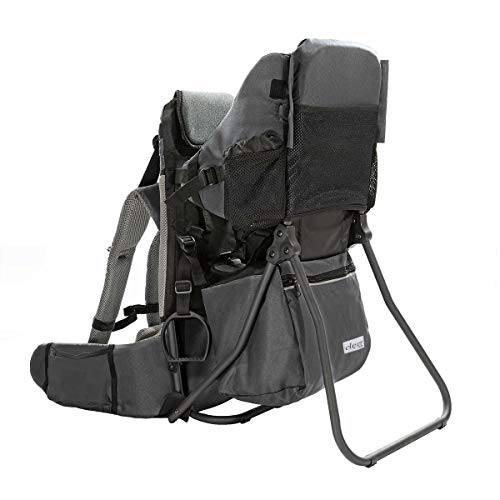
| Frame Design | One-Piece Frame for enhanced sturdiness and easy setup |
| Weight | 5.5 pounds |
| Maximum Child Weight | 33 pounds (up to 48 months) |
| Adjustable Features | Adjustable seat height and waistband extending to approximately 60 inches |
| Safety Features | 5-point seat belts, foot stirrups, safety belts, lumbar padding |
| Weather Protection | Includes sun canopy and rain cover |
The ClevrPlus Cross Country Baby Backpack Carrier in Grey immediately caught my attention with its sturdy one-piece frame design, which eliminates the usual assembly hassle and feels incredibly secure. Weighing just 5.5 pounds, it’s surprisingly lightweight, making extended hikes more comfortable for both me and my little one. The ClevrPlus Cross Country Baby Backpack Carrier, Grey is a standout choice in its category.
The carrier truly shines with its thoughtful features like 5-point seat belts, flexible straps, and stirrups that kept my toddler snug and safe during our outdoor adventures. The adjustable seat easily accommodated my 10-month-old, and the lumbar padding combined with padded straps kept me comfortable even after hours on the trail. When comparing different best backpack baby carrier options, this model stands out for its quality.
Plus, the ample storage space was a game-changer—there’s enough room for a baby changing pad, bottles, keys, and even a sweater, all within reach. With weather protection like a sun canopy and rain cover included, I felt confident navigating all conditions, knowing my baby was protected and secure.
Overall, the ClevrPlus Cross Country Baby Backpack Carrier offers a versatile, comfort-focused solution that grows with your child and adapts to various weather situations. It’s a reliable choice for parents who want safety, convenience, and comfort all in one package.
Chicco SmartSupport Aluminum Frame Backpack Carrier,

- ✓ Lightweight aluminum frame
- ✓ Comfortable adjustable fit
- ✓ Easy to load with kickstand
- ✕ Slightly snug when full
- ✕ Limited storage space
| Frame Material | Lightweight aluminum alloy |
| Child Seat Adjustments | Two-position, height-adjustable with padded backrest |
| Safety Harness | 5-point harness system |
| Parent Comfort Features | Padded ergonomic shoulder and waist straps, 3D breathable mesh on lumbar, back, and straps |
| Canopy | Adjustable, rated for 50+ protection |
| Additional Features | Built-in kickstand, two small storage pockets |
The first thing that caught my eye when I unboxed the Chicco SmartSupport was how surprisingly light it felt, almost like holding a feather compared to bulkier carriers I’ve tried before. The sleek aluminum frame is sturdy but doesn’t weigh you down, making those longer walks feel much easier.
As I adjusted the padded straps and tested the lumbar mesh, I was impressed by how breathable and comfortable it was for me. The straps contour nicely, and the mesh keeps sweat at bay during warmer days.
My toddler loved the adjustable seat—she sat comfortably, and I appreciated how easy it was to tweak the height as she grew.
The built-in kickstand is a game-changer—no more awkward balancing when loading or unloading. The canopy is a nice touch, providing shade on sunny days, and the two small pockets held snacks and essentials without fuss.
It’s clear Chicco designed this for real-world adventures, whether hiking, shopping, or simply strolling around.
One thing I noticed is that the harness keeps my little one securely in place, thanks to the five-point system. Plus, the overall design feels durable yet lightweight, perfect for busy parents on the go.
The only minor hiccup was that the carrier feels a bit snug when fully loaded, but overall, it’s a versatile and thoughtful option for growing kids.
What Should You Look for in the Best Backpack Baby Carrier?
When searching for the best backpack baby carrier, consider the following key features:
- Comfort for the Parent: Look for padded shoulder straps and a supportive hip belt that redistribute weight evenly to reduce strain on your back and shoulders.
- Safety Features: Ensure the carrier has a secure harness system to keep your child safely in place, along with safety standards certifications.
- Adjustability: A good carrier should have adjustable components to accommodate different body types and sizes, making it easy for multiple users to wear comfortably.
- Storage Options: Consider carriers with built-in pockets or attachment points for additional storage, allowing you to carry essentials like diapers, snacks, or water bottles conveniently.
- Weather Protection: Features such as a sunshade or rain cover can help protect your child from the elements, enhancing comfort during outdoor adventures.
- Weight Capacity: Check the maximum weight limit of the carrier to ensure it can accommodate your child as they grow, usually ranging from infants up to toddlers.
- Durability: Look for high-quality materials that can withstand regular use and outdoor conditions, ensuring the carrier lasts through multiple adventures.
- Ease of Use: Choose a carrier that is easy to put on and take off, preferably with intuitive buckles and adjustable straps that require minimal effort.
Comfort for the Parent is crucial because a well-designed carrier will distribute the weight of the child effectively, preventing discomfort during long hikes or walks. Padded shoulder straps and a sturdy hip belt can significantly alleviate back pain and fatigue.
Safety Features are non-negotiable; a reliable carrier should have a secure harness that keeps your child safely strapped in, as well as meet safety standards to ensure peace of mind while on the move. Look for features like a five-point harness system for added security.
Adjustability is important because body types vary, and a carrier that accommodates different sizes means it can be shared between caregivers without compromising comfort. Look for adjustable straps and frames that can be modified easily.
Storage Options enhance the functionality of the carrier, allowing you to bring along necessities without needing an additional bag. Pockets for snacks, wipes, or a phone can make outings more convenient.
Weather Protection features such as sunshades and rain covers are beneficial for outdoor excursions, keeping your child comfortable regardless of changing weather conditions. This ensures that your adventures can continue smoothly no matter the forecast.
Weight Capacity should align with your child’s growth; a carrier that supports a higher weight limit will last longer and save you from needing to purchase a new one as your child grows. Most quality carriers accommodate children from infancy through toddlerhood.
Durability is vital since a backpack baby carrier is often subject to wear and tear from outdoor activities. Opt for carriers made from robust, weather-resistant materials that can endure various terrains and conditions.
Ease of Use is essential for quickly getting your child in and out of the carrier, especially during busy outings. Look for designs that feature user-friendly buckles and adjustments, making it simple for anyone to operate.
How Do Comfort and Safety Features Impact Your Choice?
Comfort and safety features play a crucial role in selecting the best backpack baby carrier, influencing both the parent’s experience and the child’s safety.
- Ergonomic Design: An ergonomic design ensures that the carrier distributes the weight evenly across the parent’s back and shoulders. This helps reduce strain during longer hikes or walks, making it more enjoyable for both the parent and the child.
- Safety Harness: A reliable safety harness secures the child within the carrier, preventing any accidental slips or falls. It often includes adjustable straps to accommodate the child’s growth and enhance stability during movement.
- Padded Straps and Waist Belt: Padded straps and a supportive waist belt provide additional comfort for the parent by cushioning pressure points. This feature is essential for prolonged use, allowing for a more enjoyable carrying experience.
- Ventilation: Good ventilation in the carrier helps keep both the parent and child cool, especially during warmer weather. Features like mesh panels promote airflow, reducing sweat and discomfort during outings.
- Sunshade and Weather Protection: Many carriers come with built-in sunshades or weather covers to protect the child from harsh environmental conditions. This adds an extra layer of safety, ensuring that the child is shielded from UV rays or light rain.
- Storage Options: Adequate storage pockets in the carrier allow parents to carry essentials like snacks, diapers, and water. This convenience ensures that parents have everything they need at hand without having to juggle multiple bags.
- Easy Adjustability: A carrier that easily adjusts to fit different body types and sizes is vital for comfort and safety. This feature ensures that both the parent and child can be securely positioned, accommodating various hiking terrains and activities.
- Durability and Materials: High-quality materials and construction contribute to the overall durability of the carrier, ensuring it can withstand outdoor conditions. This is essential for safety, as wear and tear can compromise the carrier’s integrity over time.
What Is the Ideal Weight Capacity for Different Ages?
A backpack baby carrier is defined as a type of baby carrier designed to allow parents or caregivers to carry their infants or toddlers on their back while keeping their hands free. These carriers are particularly useful for outdoor activities such as hiking, walking, or traveling, and can comfortably support the weight of a child while distributing it evenly across the wearer’s body.
According to the American Academy of Pediatrics, optimal weight capacity for backpack baby carriers can vary depending on the child’s age, size, and developmental stage. Generally, most backpack carriers are designed for children weighing between 16 to 50 pounds, accommodating children from about 6 months to 4 years old, depending on their physical development and ability to sit up independently.
Key aspects of a good backpack baby carrier include weight capacity, comfort for both the child and the adult, safety features such as a five-point harness, and adjustability. It is essential for the carrier to have padded shoulder straps and a supportive frame to distribute the weight evenly. Additionally, features like sunshades, storage pockets, and rain covers can enhance usability and comfort during outings.
This impacts parents and caregivers significantly, as choosing a carrier that matches their child’s weight and developmental needs can ensure safety during use and enhance the outdoor experience. The right backpack baby carrier allows for extended outings without discomfort, making it easier for families to engage in recreational activities together.
In terms of statistics, a survey by the Baby Carrier Industry Alliance indicates that nearly 73% of parents prefer hands-free options for carrying their children during outdoor activities, supporting the rising trend in the use of backpack baby carriers. Additionally, research shows that proper use of a backpack baby carrier can improve the child-parent bond while also promoting physical activity for the adult.
Best practices include ensuring that the carrier is suitable for the child’s age and weight, checking for proper fit and adjustability before use, and adhering to the manufacturer’s guidelines for safety. Regularly inspecting the carrier for wear and tear can also prevent accidents during outings. Furthermore, parents should be educated on how to properly position the child to maintain their safety and comfort.
What Types of Backpack Baby Carriers Are Available?
The main types of backpack baby carriers are:
- Frame Backpack Carriers: These carriers feature a sturdy frame that supports the child while offering a comfortable fit for the adult. They are ideal for hiking and outdoor activities, as they often come with additional storage for essentials like snacks and gear.
- Soft-Structured Carriers: These are versatile carriers made from soft fabric that can be adjusted to fit the child snugly. They are suitable for everyday use and can often be worn in multiple positions, including front, back, and hip carries.
- Mei Tai Carriers: A traditional style of carrier that combines features of both soft-structured and wrap carriers, the Mei Tai uses a rectangular piece of fabric with straps to tie around the caregiver’s body. This design allows for a customizable fit and can be used for newborns to toddlers.
- Wrap Carriers: Made of long pieces of fabric, wrap carriers allow for various carrying positions and provide excellent support for the baby. They require some practice to tie properly but are highly adaptable and can be used from infancy through toddlerhood.
- Hybrid Carriers: These carriers combine features of both structured and wrap carriers, allowing for flexibility in how they are worn. They often have a padded structure for support while retaining the comfort and closeness of a wrap.
How Do Frame Carriers Compare to Soft Carriers?
| Aspect | Frame Carriers | Soft Carriers |
|---|---|---|
| Weight Distribution | Offers better weight distribution, reducing strain on the caregiver’s back. | Weight is concentrated on the shoulders, which may cause discomfort over time. |
| Comfort | Generally more comfortable for long hikes due to padded frames. | May be less comfortable for extended use; suitable for short trips. |
| Versatility | Best for outdoor activities; can carry heavier children. | More versatile for various environments; easily adjustable for different carry positions. |
| Ease of Use | Can be bulkier and may require more setup time. | Usually easier to put on and take off, suitable for quick outings. |
| Price Range | Typically ranges from $150 to $400. | Usually more affordable, ranging from $50 to $200. |
| Safety Features | Often includes safety harnesses, padded support, and sturdy frames. | May have basic safety features; ensure proper fit and support. |
| Storage Capacity | Usually equipped with additional storage compartments for gear. | Limited storage; typically just small pockets for essentials. |
| Age/Weight Limits | Generally suitable for children aged 6 months to 4 years, up to 50 lbs. | Usually designed for infants to toddlers, typically up to 35 lbs. |
What Benefits Do Hiking Backpack Carriers Offer?
Hiking backpack carriers provide numerous benefits for parents and caregivers who want to explore the outdoors with their little ones.
- Comfort: These carriers are designed with padded straps and ergonomic designs, which distribute weight evenly, making it comfortable for the person carrying the child over long distances.
- Safety: Many hiking backpack carriers come equipped with safety features such as harnesses and secure seating, ensuring that the baby is safely strapped in and protected from falls or slips during outdoor activities.
- Storage Space: They often include compartments and pockets for storing essentials like snacks, water, and baby supplies, allowing parents to carry everything they need for a day out without needing additional bags.
- Versatility: These carriers can be used for various outdoor activities, from hiking to camping, and can even be adapted for everyday use in urban environments, making them a practical investment.
- Enhanced Bonding: Carrying a child in a hiking backpack allows parents to maintain close physical contact, fostering a sense of security for the child and enhancing the bonding experience during outdoor adventures.
- Outdoor Exploration: Hiking backpack carriers enable parents to explore rugged terrains that would be difficult to navigate with a stroller, opening up a wider range of trails and natural environments to enjoy together.
Which Are the Top-Rated Brands and Models of Backpack Baby Carriers?
The top-rated brands and models of backpack baby carriers are recognized for their comfort, safety, and usability.
- Osprey Poco LT Baby Carrier: This carrier is lightweight and designed for hiking, featuring a padded harness and adjustable fit.
- Deuter Kid Comfort Active: Known for its ergonomic design, this model provides excellent back support and comfort for long hikes.
- Ergobaby Omni 360: This versatile carrier offers multiple carrying positions and is suitable from newborn to toddler age.
- Thule Sapling Elite: It combines a sleek design with practical features like a sunshade and ample storage for essentials.
- Kelty Journey PerfectFIT: This carrier is praised for its adjustability and comfort, making it suitable for various body types.
The Osprey Poco LT Baby Carrier is ideal for parents who love to hike, boasting a lightweight construction that doesn’t compromise on comfort. It features a padded harness system that ensures a snug fit for both the parent and child, plus ample storage for essentials during outdoor adventures.
The Deuter Kid Comfort Active is highly regarded for its ergonomic design, which ensures that both the child and parent are comfortable during extended use. Its adjustable back system provides excellent lumbar support, making it a favorite among outdoor enthusiasts who prioritize comfort on longer treks.
The Ergobaby Omni 360 stands out for its versatility, allowing parents to carry their little ones in various positions including front, hip, and back. This carrier is designed to support babies from newborn through toddlerhood, making it a long-term investment for many families.
The Thule Sapling Elite combines functionality with style, featuring a built-in sunshade to protect your child during sunny outings. It also includes multiple pockets for storage, making it convenient for parents to carry snacks and essentials while on the move.
The Kelty Journey PerfectFIT is celebrated for its adjustability, accommodating a wide range of body types with ease. Its padded shoulder straps and hip belt ensure comfort during longer hikes, while the durable materials offer peace of mind regarding safety and longevity.
What Are the Most Popular Choices Among Parents?
The most popular choices among parents for the best backpack baby carrier include:
- Deuter Kid Comfort Pro: This carrier is known for its exceptional comfort and support for both the child and the parent, featuring a padded hip belt and adjustable back panel.
- Osprey Poco Plus: With a lightweight design and excellent ventilation, the Osprey Poco Plus offers a sunshade and a large storage compartment, making it ideal for hiking.
- Kelty Journey PerfectFIT: This carrier stands out with its PerfectFIT adjustable torso system, allowing for a customizable fit, along with plenty of pockets for storage and organization.
- Thule Sapling Elite: The Thule Sapling Elite is praised for its ergonomic design and easy adjustments, providing maximum comfort for both the parent and child, as well as a built-in sunshade.
- BabyBjörn One Outdoor: This versatile carrier can be used for both front and back carrying, is made from durable materials, and offers excellent support for the child’s head and neck.
The Deuter Kid Comfort Pro is designed for long hikes, featuring an adjustable back system to ensure a comfortable fit for parents of different heights, along with a removable, washable infant seat that provides safety and comfort for the child.
The Osprey Poco Plus is lightweight yet sturdy, equipped with a sunshade and several pockets that make it convenient for parents who want to carry essentials during outdoor adventures without compromising on the child’s comfort.
The Kelty Journey PerfectFIT offers a unique adjustment system that allows the carrier to fit various torso lengths, ensuring that parents of all sizes can carry their little ones comfortably, and it boasts numerous pockets for storage and hydration.
The Thule Sapling Elite is designed with parent and child comfort in mind, featuring padded shoulder straps, a wide hip belt, and a supportive frame, plus it includes a sunshade and a detachable backpack for extra storage.
The BabyBjörn One Outdoor is known for its versatility, allowing parents to switch between front and back carrying positions easily, made with durable and weather-resistant materials, making it perfect for various outdoor activities.
How Do Price Points Differ Across Brands?
Price points for backpack baby carriers can vary significantly across brands, influenced by factors such as materials, features, and brand reputation.
- High-End Brands: These carriers often range from $200 to $400 and are typically made from premium materials with advanced ergonomic designs.
- Mid-Range Brands: Priced between $100 and $200, mid-range carriers offer a balance of quality and affordability, featuring decent materials and comfort.
- Budget Brands: Often available for under $100, these carriers are more basic in design and materials, making them accessible for families on a tight budget.
- Specialty Brands: These brands may offer unique features or designs tailored for specific activities, generally ranging from $150 to $250, catering to niche markets.
- Eco-Friendly Brands: Carriers made from sustainable materials can vary widely in price, usually falling between $120 and $300, reflecting the premium for environmentally conscious production.
High-end brands, such as Ergobaby or Deuter, often justify their price through innovative features like lumbar support, adjustable straps, and multi-functional designs that enhance comfort for both the parent and child.
Mid-range brands like Baby Tula or Osprey provide a solid combination of comfort and functionality, making them popular choices for everyday use without breaking the bank.
Budget brands, such as Infantino, focus on simplicity and ease of use, providing basic functionality that may lack some advanced features but still offers a safe option for occasional outings.
Specialty brands like Thule or Boba cater to specific needs, such as hiking or outdoor adventures, offering features like extra storage and weather-resistant materials to appeal to active families.
Eco-friendly brands, including Tula’s Explore line, are designed for environmentally conscious parents and may incorporate organic or recycled materials, reflecting a commitment to sustainability alongside practicality.
How Do You Fit and Adjust a Backpack Baby Carrier Properly?
Fitting and adjusting a backpack baby carrier is essential for safety and comfort for both the parent and child.
- Choose the Right Carrier: Selecting the best backpack baby carrier depends on factors like your child’s weight, age, and your specific needs such as storage space and terrain suitability.
- Adjust the Straps: Ensure that the shoulder straps are adjusted to fit snugly but comfortably over your shoulders, allowing you to maintain good posture while carrying the load.
- Waist Belt Positioning: The waist belt should be positioned around your hips to help distribute the weight evenly, reducing strain on your back and allowing for better support as you walk.
- Load Distribution: Make sure the carrier is balanced with your child seated securely in the designated area, which helps maintain your center of gravity and prevents discomfort.
- Test the Fit: Before embarking on a longer journey, perform a short test walk to ensure that the carrier feels secure and that you can move freely without any hindrance.
- Check Safety Features: Regularly inspect safety features such as buckles, straps, and stitching to ensure they are functioning properly and can support your child safely.
Choosing the Right Carrier involves considering the size, weight limits, and additional features that suit your lifestyle, such as sunshades or storage compartments, ensuring it meets your family’s needs.
Adjust the Straps carefully, as they should fit snugly without causing discomfort; it’s important to have them adjusted so that the carrier stays close to your body, offering better control.
The Waist Belt Positioning is crucial; this belt should sit comfortably on your hips, not your waist, as this helps in stabilizing the carrier and relieving pressure from your shoulders.
Load Distribution requires making sure that your child is securely seated, with their weight evenly distributed to prevent back strain and promote ease of movement.
Test the Fit by taking a few steps, checking for any pinching or discomfort, and making adjustments as necessary to ensure optimal comfort and support.
Check Safety Features regularly, ensuring that all components are in good working order, which is vital for the safe transport of your child while hiking or walking.
What Steps Are Involved in Ensuring a Secure Fit for Your Baby?
To ensure a secure fit for your baby in a backpack baby carrier, several critical steps must be followed:
- Choose the Right Carrier: Selecting a carrier that fits your body size and is designed for your baby’s weight and age is crucial for safety and comfort.
- Adjust the Straps: Make sure to adjust the shoulder and waist straps to ensure that the carrier is snug against your body without being too tight.
- Check Baby’s Position: Ensure that your baby is positioned correctly, typically with their knees higher than their bottom, which promotes a healthy hip position.
- Secure All Fastenings: Double-check that all buckles, clips, and straps are securely fastened before you start moving.
- Test for Stability: Before heading out, test the carrier’s stability by gently shifting your body to ensure that the carrier remains secure and your baby is held safely.
- Regularly Inspect the Carrier: Periodically check the carrier for wear and tear, including frayed straps and broken buckles, to ensure ongoing safety.
Choosing the Right Carrier involves considering the size and weight limits specified by the manufacturer, as well as your own body dimensions to ensure both you and your baby are comfortable during use. An appropriate carrier will also provide adequate support for your baby’s head and neck, especially in younger infants.
Adjusting the Straps correctly ensures that the carrier fits snugly without restricting movement or causing discomfort to either you or your baby. It’s essential to find a balance where the carrier feels secure but does not cause any pinching or rubbing.
Checking Baby’s Position is vital as it not only enhances comfort but also safeguards against the risk of hip dysplasia. The “M” position is recommended, where the baby’s knees are higher than their bottom, allowing for natural hip development.
Securing All Fastenings means that you should take the time to properly fasten every part of the carrier, as a single loose strap can compromise safety and comfort during use. Always follow the manufacturer’s guidelines for fastening procedures.
Testing for Stability can help you identify any issues with the carrier before you embark on your outing. A secure fit will allow you to move freely without worrying about your baby shifting or slipping out of the carrier.
Regularly Inspecting the Carrier is essential for maintaining safety over time. Frequent checks for damages or wear will ensure that the carrier continues to provide the necessary support and safety for your baby.
What Benefits Do Backpack Baby Carriers Provide for Parent and Child?
Backpack baby carriers offer numerous benefits for both parents and their children, enhancing comfort and convenience during outings.
- Hands-Free Mobility: Backpack baby carriers allow parents to keep their hands free while carrying their child, making it easier to engage in various activities or manage other tasks.
- Comfortable for Long Hikes: These carriers are designed with ergonomic support for both the parent and child, which helps distribute weight evenly and reduces strain during extended periods of use.
- Enhanced Bonding: Carrying a baby in a backpack carrier promotes close physical contact, fostering a sense of security and bonding between parent and child.
- Versatile Usage: Many backpack carriers are equipped with features that make them suitable for different terrains, allowing families to explore various environments such as trails, parks, and urban areas.
- Safe and Secure: Backpack baby carriers are often designed with safety features, including harnesses and padded straps, ensuring that the child is secure and comfortable while being carried.
- Convenient Storage: Many models come with additional pockets or compartments for storing essentials like snacks, diapers, and personal items, making outings more organized.
- Encourages Outdoor Exploration: By using a backpack carrier, parents are more likely to take their children on outdoor adventures, promoting physical activity and appreciation for nature from an early age.
Hands-free mobility is a significant advantage, as it allows parents to navigate their environment without being encumbered by the need to hold their child, making daily activities or excursions more manageable.
Comfortable for long hikes, these carriers feature padded straps and back support, designed to distribute weight evenly across the parent’s body, thus minimizing fatigue and discomfort during extended use.
Enhanced bonding occurs as the child is kept close to the parent, which not only provides security for the child but also allows the parent to respond quickly to their needs, reinforcing emotional connections.
Versatile usage is another key benefit, as many carriers are built to handle various outdoor conditions and activities, ensuring that families can enjoy a wide range of experiences together.
Safe and secure designs typically include features such as safety harnesses, which keep the child secure in the carrier, while also ensuring that parents can confidently navigate different terrains.
Convenient storage options in many backpack carriers help parents keep essentials organized, allowing easy access to items like snacks and toys without the need for additional bags.
Finally, encouraging outdoor exploration is made simpler with backpack carriers, as they allow parents to take their children along on hikes and adventures, fostering a love for nature and physical activity from a young age.
How Can Backpack Baby Carriers Enhance Outdoor Adventures?
Backpack baby carriers can significantly enhance outdoor adventures by providing comfort, convenience, and safety for both the caregiver and the child.
- Comfortable Design: Many of the best backpack baby carriers are designed with padded straps and ergonomic support to distribute weight evenly. This helps prevent back and shoulder strain during long hikes, allowing caregivers to enjoy their time outdoors without discomfort.
- Safety Features: High-quality backpack baby carriers often come equipped with safety harnesses and sturdy frames. These features ensure that the child is secure and protected while on the move, providing peace of mind for parents as they navigate various terrains.
- Storage Options: A good backpack baby carrier typically includes additional storage compartments for essentials like snacks, water, and baby supplies. This convenience allows caregivers to carry everything they need without having to lug around extra bags, making outdoor excursions more enjoyable.
- Versatility: Many models are designed for multiple uses, allowing them to transition from hiking to everyday activities. This versatility means that caregivers can invest in a single product that serves various purposes, enhancing the overall value of the purchase.
- Accessibility: Backpack baby carriers facilitate easy access to the child, enabling caregivers to interact and engage with them during hikes. This fosters a stronger bond between parent and child, making outdoor adventures more memorable.
- Breathability and Weather Resistance: The best backpack baby carriers often feature breathable fabrics and weather-resistant materials. This ensures that the child remains comfortable and protected from the elements, whether it’s sunny, rainy, or windy outside.