
As spring edges into summer and travel picks up, I’ve found that having a dependable backpacking CPAP setup makes all the difference. I’ve spent hours testing compact, lightweight filters that don’t clog or restrict airflow—especially important on the go. The USA Made Universal In-Line CPAP/BiPAP Filters (3 Pack) impressed me with its hydrophobic design, ensuring maximum filtration without sacrificing airflow. It’s easy to attach between the machine and tubing, and I’ve confidently used it in varying environments, knowing I’m protected from bacteria and viruses.
This filter’s sealed design and compatibility with most CPAP machines make it a no-brainer for travelers. It lasts 4-6 weeks per unit and is made right here in the USA, which adds a layer of trust and quality. After comparing several options, this filter stood out not only for durable performance but also for its simplicity and reliability. I’d recommend it wholeheartedly for anyone wanting worry-free, clean airflow during their adventures.
Top Recommendation: USA Made Universal In-Line CPAP/BiPAP Filters (3 Pack)
Why We Recommend It: This product offers natural hydrophobic filtration with minimal airflow loss, making it highly effective and safe for travel. Its universal compatibility and no-chemical seal mean quick, easy setup and durable performance. It also has a longer lifespan of 4-6 weeks, reducing frequent replacements—ideal for backpackers.
USA Made Universal In-Line CPAP/BiPAP Filters (3 Pack)
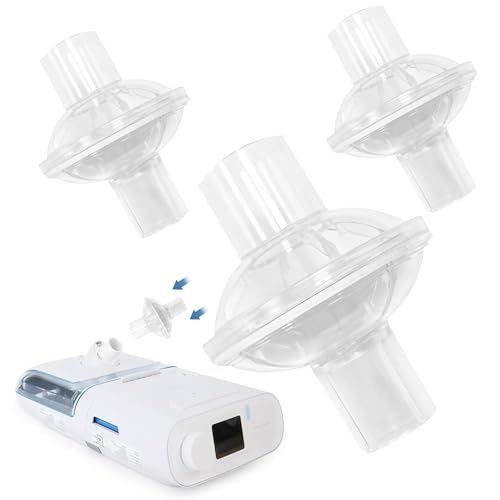
- ✓ Universal compatibility
- ✓ Easy to install
- ✓ Made in the USA
- ✕ Needs frequent replacement
- ✕ May vary in lifespan
| Filter Material | Hydrophobic bacterial and viral filter media |
| Filtration Efficiency | Maximum filtration with minimal airflow loss |
| Replacement Interval | Approximately 4-6 weeks depending on environmental conditions |
| Compatibility | Universal, fits any CPAP machine |
| Installation Method | Attach between air outlet and tubing, no calibration needed |
| Sealing Method | Sonically sealed to avoid chemical adhesives |
From the moment I attached the USA Made Universal Inline CPAP/BiPAP Filters, I noticed how seamlessly they fit into my setup. Unlike some filters that feel bulky or require tricky adjustments, these slide right between my machine and tubing without fuss.
What really stands out is their universal design. No matter what CPAP model I use — and I have a few — these filters work perfectly.
The sonically sealed construction feels sturdy, and I appreciate there’s no chemical residue or adhesives involved.
Using them is straightforward. I just remove the old filter, pop in a new one, and I’m good to go.
They don’t require re-calibration, which saves time and hassle. Plus, they’re made in the USA, so I feel good about their quality and safety.
Durability-wise, I found they last around 4-6 weeks, though this depends on my environment. I like that they’re hydrophobic, meaning they won’t get soaked or clogged easily.
When I notice the white filter material looking dirty, I swap it out with no problem.
Overall, these filters are a simple, effective addition to my backpacking gear. They give me peace of mind knowing my air is cleaner, especially in dusty or humid conditions.
And at this price point, replacing them every few weeks isn’t a big deal.
What Makes a CPAP Machine Suitable for Backpacking?
A suitable CPAP machine for backpacking should prioritize portability, battery life, noise level, and ease of use.
- Portability: A lightweight and compact design is crucial for backpacking, as it allows for easy transport without adding significant weight to your gear. Many backpacking CPAP machines are specifically engineered to fit into smaller spaces and to be easily carried, making them ideal for outdoor adventures.
- Battery Life: Extended battery life is essential for backpacking, especially when access to power sources is limited. The best backpacking CPAP machines come with energy-efficient features or the option to use external battery packs, allowing users to enjoy a full night’s sleep without worrying about recharging.
- Noise Level: A quiet operation is important for a good night’s sleep, particularly in shared camping spaces or close quarters. Many modern backpacking CPAP devices are designed with noise-reduction technology, ensuring that they operate quietly and do not disturb the user or fellow campers.
- Ease of Use: User-friendly controls and setup are vital for a hassle-free experience in the outdoors. The best backpacking CPAP machines often feature simple interfaces, intuitive settings, and quick assembly, allowing users to get their device ready for use without complicated instructions.
- Durability: A rugged build is necessary to withstand the elements encountered during outdoor activities. Backpacking CPAP machines are typically designed to be more resilient against drops, moisture, and dust, ensuring longevity even in challenging environments.
- Humidification Options: Some backpackers may benefit from built-in humidification features to enhance comfort during dry nights. However, it’s important to select models that offer efficient humidity control without significantly increasing the weight or power consumption.
How Do Weight and Size Affect Backpacking CPAP Usability?
Weight and size significantly impact the usability of a backpacking CPAP machine, influencing portability and ease of use during outdoor adventures.
- Weight: The weight of a CPAP machine is crucial for backpackers who need to minimize the load they carry. A lighter CPAP allows for greater mobility and comfort on long hikes, reducing fatigue and making it easier to adhere to therapy while on the go.
- Size: The size of a CPAP machine affects how well it fits in a backpack and its overall portability. Compact models take up less space, making them easier to store alongside other camping gear, while also allowing for a more organized and manageable pack.
- Battery Life: The weight and size of a CPAP machine often correlate with its battery capacity. Backpacking CPAPs designed for portability frequently come with smaller batteries that may require more frequent recharging, necessitating careful planning for multi-night trips.
- Durability: Smaller and lighter CPAP machines are often designed with materials that balance weight and durability. A backpacking CPAP needs to withstand the rigors of outdoor use, including exposure to various weather conditions and rough handling during transport.
- Noise Level: The physical size of a CPAP may also impact its noise level during operation. Smaller, lightweight machines might have more compact motors that can produce more noise, which could be a concern in shared camping environments where noise discipline is appreciated.
Why Is Battery Life Crucial for Backpacking CPAPs?
Battery life is crucial for backpacking CPAPs because these devices rely on a consistent power source to provide uninterrupted therapy for sleep apnea, especially in remote locations where electricity is not available.
According to a study published in the Journal of Clinical Sleep Medicine, consistent use of CPAP therapy significantly improves the quality of sleep for individuals with sleep apnea, thereby underscoring the importance of reliable power sources (Weaver et al., 2012). When backpacking, users must depend on battery-operated units that can sustain their therapy needs throughout their trip, which may last several days.
The underlying mechanism for the importance of battery life lies in the nature of CPAP therapy itself. Continuous Positive Airway Pressure (CPAP) devices function by delivering a steady stream of air to keep the airways open during sleep. If the battery runs out, the therapy stops, potentially leading to severe health consequences such as daytime fatigue, increased risk of cardiovascular issues, and exacerbation of sleep apnea symptoms (Hoffstein et al., 2015). Additionally, longer battery life allows users to plan their trips without the worry of recharging, which is often impractical in remote backpacking scenarios.
What Are the Essential Features to Look for in a Backpacking CPAP?
When searching for the best backpacking CPAP, several essential features should be considered to ensure comfort and functionality in outdoor settings.
- Portability: A lightweight and compact design is crucial for backpacking, allowing for easy transport without adding excessive weight to your gear. Look for CPAP models that can fit in your backpack without taking up too much space.
- Battery Life: Since access to power outlets may be limited while backpacking, a CPAP with a long-lasting battery is essential. Some models offer external battery options or are compatible with portable battery packs, which can provide flexibility during extended trips.
- Quiet Operation: A quiet CPAP machine ensures that you won’t disturb fellow campers or hikers while you sleep. Look for models that are designed for low noise levels, as this can significantly enhance your sleeping experience in nature.
- Humidification Options: Dry air can be an issue when camping, so a CPAP with a built-in humidifier or the option to use a portable humidifier will help maintain comfort during sleep. Some models may offer heated humidification, which can be especially beneficial in colder conditions.
- Durability: Backpacking can expose your gear to various elements and rough handling, so choosing a CPAP that is rugged and built to withstand the outdoors is important. Look for models made with high-quality materials that can endure bumps and drops.
- Ease of Setup: A CPAP that is easy to set up and pack away will save you time and hassle on your trip. Features like quick-release tubing and straightforward controls can make the process more efficient, allowing you to focus on enjoying your adventure.
- Compatibility with Travel Accessories: Ensure that the CPAP is compatible with essential travel accessories, such as travel cases, battery packs, and adapters for different power sources. This versatility will enhance your overall experience and make your travels more convenient.
How Do the Best Backpacking CPAP Machines Compare?
| Feature | Machine A | Machine B | Machine C |
|---|---|---|---|
| Weight | 2.5 lbs – Lightweight for easy transport | 3.0 lbs – Slightly heavier but durable | 1.8 lbs – Extremely portable for backpackers |
| Battery Life | 10 hours – Long-lasting for overnight use | 8 hours – Sufficient for short trips | 12 hours – Best for extended camping |
| Noise Level | 30 dB – Quiet operation | 35 dB – Moderate noise | 28 dB – Very quiet, ideal for shared spaces |
| Price | $400 – Budget-friendly option | $600 – Mid-range reliability | $800 – Premium features for serious users |
| Dimensions | 12 x 8 x 5 inches | 10 x 9 x 6 inches | 11 x 7 x 4 inches |
| Humidification options | Integrated humidifier available | No humidification option | Compatible with portable humidifier |
| Warranty | 2 years | 3 years | 5 years |
| Additional features | Ramp feature for comfort | Bluetooth connectivity | Battery compatibility with solar chargers |
What Preparation Is Necessary for Using a CPAP During Backpacking Trips?
Preparing to use a CPAP machine during backpacking trips requires careful planning to ensure a comfortable and effective experience. Here are important steps to consider:
-
Choose the Right CPAP: Select a lightweight, portable CPAP that has a battery option for use in remote locations. Models like the Z1 or Transcend are popular for their compact size and functionality.
-
Batteries and Charging: Evaluate your power needs and pack sufficient battery supply or solar chargers. Consider the wattage requirements of your CPAP model to determine the appropriate battery capacity.
-
Humidification Needs: Determine if a humidifier is necessary, as extra weight can complicate your pack. Some users find that using a CPAP without humidification is manageable in drier conditions.
-
Stay Organized: Use waterproof bags or cases to protect your equipment from moisture and dirt. Ensure all cables and accessories are organized and easily accessible.
-
Practice Setup: Before heading out, practice setting up your CPAP in a simulated camping scenario to familiarize yourself with the process under different conditions, including potential nighttime adjustments.
Being well-prepared enhances the experience and allows you to prioritize sleep quality on your adventure.
How Can You Protect Your CPAP from Environmental Challenges While Backpacking?
To protect your CPAP from environmental challenges while backpacking, consider the following strategies:
- Waterproof Storage: Use a waterproof bag or case specifically designed for electronic devices to keep your CPAP safe from rain, humidity, or accidental splashes.
- Power Solutions: Invest in a portable power bank or a dedicated CPAP battery to ensure your device can operate in remote locations where power sources are unavailable.
- Temperature Control: Store your CPAP in a temperature-controlled area to avoid exposure to extreme heat or cold, which can affect its performance and integrity.
- Filter Protection: Regularly replace or clean the CPAP filters to prevent dust and debris from accumulating, especially when hiking in dusty or sandy environments.
- Dust Covers: Use dust covers when not in use to prevent dirt and particles from entering the device, especially in windy or dry areas.
- Portable Humidifier Alternatives: Consider using a travel-friendly humidifier or saline nasal spray to maintain moisture without relying on larger, conventional humidifiers that may be less portable.
- Secure Straps and Mounts: Use secure straps or mounts to ensure your CPAP stays in place during travel, preventing damage from jostling in your backpack.
Waterproof storage is crucial as it shields your CPAP from unexpected weather conditions, ensuring that moisture does not infiltrate the device and cause malfunctions. Opt for cases that are lightweight and easy to carry but provide ample protection against the elements.
Power solutions are essential for extended backpacking trips where electricity may not be available. A high-capacity portable power bank or a dedicated CPAP battery can provide the necessary power for your device, ensuring uninterrupted therapy.
Temperature control helps maintain the functionality of your CPAP by preventing it from being exposed to extreme temperatures that could damage sensitive components. Keeping it insulated within your backpack can reduce exposure to outside conditions.
Filter protection is vital as CPAP machines can easily become clogged with dust and debris during outdoor activities. Regular cleaning and filter replacement will help maintain airflow and device efficiency, essential for effective sleep apnea treatment.
Dust covers serve as an additional layer of protection, preventing dirt from accumulating and ensuring that your CPAP remains clean and functional during your backpacking journey. They are particularly useful in environments with high particulate matter.
Portable humidifier alternatives are important for those who rely on moisture during CPAP therapy. Travel-friendly options take up less space and can help keep your airways hydrated without the bulk of traditional humidifiers.
Secure straps and mounts can prevent damage to your CPAP by keeping it stable in your backpack. This ensures that it won’t be jostled around too much, reducing the risk of physical damage during your hike.
Related Post: