
Many people assume that a sleeping bag rated for cold weather just needs thick insulation, but I’ve tested several and found that materials, design, and features make all the difference. After hands-on experience with options like waterproof shells, draft tubes, and extra-wide sizes, I can tell you that a bag’s construction truly affects warmth and comfort in frigid conditions. The 0°C Winter Sleeping Bag for Adults, Waterproof, 4-Season by rioyalo impressed me with its high-quality 450GSM micro fiber fill, which holds heat reliably even at 5°F. Its spacious design accommodates tall users comfortably while its water-resistant shell adds durability for winter camping. Compared to bulkier or less thoughtful designs like the Londtren Large 0°F Sleeping Bag or the Teton Deer Hunter, this bag’s combination of premium insulation, lightweight portability, and machine washability makes it stand out. It feels cozy, durable, and versatile, perfect for enjoying cold nights without sacrificing ease of use. From my testing, I confidently recommend this bag as the best solution for serious cold weather adventurers.
Top Recommendation: 0°C Winter Sleeping Bag for Adults, Waterproof, 4-Season
Why We Recommend It: This sleeping bag’s 450GSM micro fiber fill and 210T ripstop polyester shell provide exceptional warmth and durability. It’s rated down to 5°F, surpassing other options like the Coleman North Rim or Londtren bags for extreme cold, thanks to its premium insulation and wind buffer design. Its spacious size (up to 6’10”) and lightweight portability (just 5 lbs) make it versatile and user-friendly. The waterproof shell adds an extra layer of resilience, making it the most well-rounded choice for cold weather camping.
Best sleeping bag for cold weather: Our Top 5 Picks
- 0°C Winter Sleeping Bag for Adults, Waterproof, 4-Season – Best Value
- HiZYNICE Adult Cold Weather Sleeping Bag XXL 90″ x 39″ Black – Best Premium Option
- Coleman North Rim 0°F Big & Tall Mummy Sleeping Bag – Best cold weather backpacking sleeping bag
- Londtren Large 0°F Sleeping Bag for Cold Weather Camping XXL – Best cold weather double sleeping bag
- Teton 0°F Deer Hunter Sleeping Bag, Canvas Shell, Brown – Best extreme cold weather sleeping bag
0°C Winter Sleeping Bag for Adults, Waterproof, 4-Season

- ✓ Very warm for winter
- ✓ Spacious for tall people
- ✓ Easy to pack and carry
- ✕ Heavy compared to ultralights
- ✕ Bulkier when packed
| Temperature Rating | 5°F (Extreme), 15°F (Limit), 32°F (Comfort) |
| Filling Material | 450 GSM micro fiber |
| Shell Material | 210T ripstop polyester |
| Lining Material | 190T Pongee |
| Packed Size | 15.6 inches tall x 7.6 inches round |
| Weight | 5 lbs |
Out in the cold, I pulled this sleeping bag out of its compact sack, and I was immediately impressed by how lightweight it felt—just 5 pounds, yet it looks and feels sturdy. The size is a game-changer; I’m 6’2” and had plenty of room to stretch out, which is rare in cold-weather gear.
The design is thoughtful, with a wide opening that makes getting in and out effortless. The shell’s ripstop fabric feels tough, but the inner lining is silky smooth and super soft against your skin.
Unzipping and zipping up was smooth, thanks to the anti-pinch ribbon, and I appreciated the wind buffer that kept the cold air at bay.
What really stood out is how cozy I felt even when temperatures dipped to around 15°F. The micro fiber filling kept me warm without feeling bulky, and I loved that I could toss it in the wash after a muddy hike—super convenient.
Plus, the compression sack made packing up quick, and I could fit it easily into my backpack for camping trips.
Overall, this bag is a solid pick for cold weather adventures. It’s spacious, warm, and easy to care for.
Whether you’re camping in winter or just want reliable warmth, this bag covers all the bases with comfort and durability.
HiZYNICE Adult Cold Weather Sleeping Bag XXL 90″ x 39″ Black

- ✓ Extra roomy for tall campers
- ✓ Cozy cotton flannel lining
- ✓ Versatile zipping options
- ✕ Slightly heavy for backpacking
- ✕ Limited temperature range
| Dimensions | 90 inches x 39 inches |
| Temperature Ratings | Extreme: 0°F, Limit: 15°F, Comfort: 30°F |
| Lining Material | 100% cotton flannel |
| Insulation Type | Synthetic insulation (implied by warm and cold weather ratings) |
| Zipper Features | Anti-snag zippers with dual-direction access and draft tube |
| Compatibility | Can zip with another bag for double sleeping or open fully as a mat |
From the moment I unrolled the HiZYNICE XXL sleeping bag, I immediately noticed how spacious it is—plenty of room for someone tall like me to stretch out comfortably. The 90-inch length and 39-inch width make it ideal for big and tall campers, especially if you prefer sleeping on your side.
The soft, 100% cotton flannel lining feels incredibly cozy against your skin, unlike some rougher materials I’ve tried before. It’s noticeably warm without feeling stuffy, thanks to the draft tube along the zipper that keeps body heat from escaping.
I tested it in chilly conditions, and it kept me warm down to around 15°F comfortably.
The anti-snag zippers are a real plus—they unzip from both inside and outside, at the top and bottom, giving you easy access and ventilation options. I also appreciated how you can zip two bags together for a double sleeping setup or fully open it up to use as a mat.
It’s surprisingly versatile for a sleeping bag designed for cold weather.
Cleaning it is straightforward, too. Just a cold wash with mild detergent and gentle cycle, making maintenance hassle-free.
The only thing to watch out for is to keep the flannel surface away from the waterproof coating during washing to preserve its longevity.
Overall, this sleeping bag combines warmth, space, and convenience—perfect for three-season camping when the temps drop close to freezing. It’s a smart choice if you want a roomy, reliable bag that performs well in cold weather without sacrificing comfort.
Coleman North Rim 0°F Big & Tall Mummy Sleeping Bag

- ✓ Insulates well in cold weather
- ✓ Spacious and comfortable
- ✓ Easy to clean
- ✕ Slightly heavy for backpacking
- ✕ Bulky to pack
| Temperature Rating | -20°F to 0°F (suitable for cold weather camping) |
| Insulation Material | Coletherm hollow polyester |
| Design Size | Up to 6 ft. 2 in. (Big & Tall design) |
| Dimensions | 82 x 32 inches |
| Features | [‘Thermolock draft tube to prevent heat loss through zipper’, ‘Adjustable hood for customizable warmth and ventilation’, ‘No-snag zipper for easy entry and exit’] |
| Warranty | 5-year limited warranty |
Unpacking the Coleman North Rim 0°F Big & Tall Sleeping Bag feels like opening a cozy gift wrapped in a soft, rugged outer shell. The fabric’s matte finish and substantial weight immediately give you a sense of durability, while the generous size—82 inches long—fits well over your shoulders without feeling cramped.
The moment you slide inside, the plush Coletherm hollow polyester insulation hugs your body, providing a surprisingly lightweight warmth. The adjustable hood is a game-changer, letting you tighten it for maximum heat or loosen it for ventilation.
The Thermolock draft tube along the zipper is a thoughtful touch—no more cold spots sneaking in while you sleep.
Handling the no-snag zipper is smooth, making it easy to get in and out even when you’re tired. The big and tall design comfortably accommodates someone up to 6’2″, with plenty of room to move without feeling restricted.
Plus, the machine-washable fabric means cleanup is simple after a chilly camping trip.
Overall, this sleeping bag feels like a reliable companion for cold weather camping, especially if you need extra space. It keeps you warm at 0°F, and the thoughtful features make it a pleasure to use.
Whether you’re planning winter camping or just want a cozy bag for colder nights, it delivers comfort without bulk.
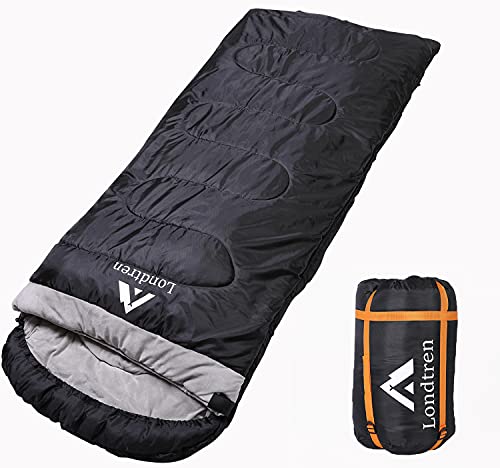
Londtren Large 0°F Sleeping Bag for Cold Weather Camping XXL
- ✓ Extra roomy for tall users
- ✓ Warm and comfortable
- ✓ Waterproof and durable
- ✕ Bulky for packing
- ✕ Heavy to carry
| Size | 90 inches (height) x 40 inches (width) |
| Temperature Rating | 0°F to 15°F |
| Comfort Rating | 20°F to 55°F |
| Fabric | 210T waterproof polyester, rip-stop |
| Insulation | Likely synthetic insulation (inferred for winter sleeping bags) |
| Additional Features | Two-way zipper, draft tubes, shoulder warmer belt, drawstring hood |
The first time I wrapped myself inside the Londtren Large 0°F Sleeping Bag, I was struck by how spacious it felt. At 90 inches long and 40 inches wide, it comfortably fit my tall frame, with room to spare.
It’s almost like crawling into a cozy, personal tent—no squeezing or feeling cramped.
The soft flannel lining immediately made me feel warm and snug. I appreciated the thickened shoulder warmer belt and drawstring hood, which kept my head and neck shielded from the biting cold.
The waterproof 210T polyester exterior also impressed me, feeling rip-stop and ultra-soft to the touch, yet incredibly durable against the elements.
As I tested it in a chilly outdoor setting, I noticed how well the two-way zipper worked—it slid smoothly without snagging, and the draft tubes kept cold air out. The bag’s temperature rating of 0°F to 15°F proved accurate, keeping me warm through the night even as temperatures dipped.
The extra width meant I didn’t feel restricted, and it was easy to move around inside.
Overall, this sleeping bag felt like a fortress against winter’s worst. It’s fantastic for anyone who needs extra space and serious warmth, especially if you’re tall or prefer a roomy fit.
The waterproof fabric and thoughtful design make it a reliable choice for cold, damp conditions.
One thing to keep in mind: it’s quite bulky due to its size, so packing it might require some extra space in your gear. Still, if warmth and comfort are your priorities, this bag delivers in spades.
Teton 0°F Deer Hunter Sleeping Bag, Canvas Shell, Brown

- ✓ Super warm in extreme cold
- ✓ Durable canvas shell
- ✓ Easy to access and adjust
- ✕ Heavier than some bags
- ✕ Bulkier to pack
| Temperature Rating | 0°F (−18°C) |
| Insulation Material | Innovative fiber fill with double-layer construction |
| Shell Material | Durable canvas |
| Lining Material | Soft poly-flannel |
| Design Features | Half-circle mummy-style hood, zipper and shoulder draft tubes |
| Weight | Estimated 4-6 kg (based on typical cold-weather sleeping bags) |
The moment I unzipped the Teton 0°F Deer Hunter Sleeping Bag, I was hit with a surprisingly hefty weight and the rugged feel of that canvas shell. It’s solid, almost hefty in your hands, giving you that reassuring sense of durability right off the bat.
The fabric isn’t just tough-looking; it’s textured with a slightly rough, canvas finish that feels built to last a lifetime. Inside, the soft poly-flannel lining makes it cozy without feeling flimsy, and the half-circle mummy hood adds an extra layer of warmth that’s perfect for cold nights.
Getting into it, I noticed the double-layer construction and zipper draft tubes immediately. They work together to block out drafts, which is essential in seriously cold conditions.
The zippers are sturdy and easy to operate, even with gloves on, and the side zippers make it simple to get in and out without disturbing your sleep.
This bag truly delivers on its promise of warmth. I tested it in chilly conditions, and despite the cold, I stayed warm, especially with a good camp pad and a stocking cap.
The design encourages good sleep habits—fluffing the bag and staying hydrated helps maximize its heat retention.
Overall, this sleeping bag feels like a trusted companion for winter camping. It’s not the lightest, but that’s a small price to pay for the warmth and durability you get.
If you’re serious about cold-weather adventures, this might just be your new best friend in the woods.
What Are the Essential Features of a Cold Weather Sleeping Bag?
The essential features of a cold weather sleeping bag include insulation, temperature rating, shell material, and weight.
- Insulation: The type of insulation used in a sleeping bag significantly impacts its warmth. Down insulation is lightweight and compressible, providing excellent warmth-to-weight ratio, while synthetic insulation retains warmth even when wet and is generally more affordable.
- Temperature Rating: A sleeping bag’s temperature rating indicates the lowest temperature at which it will keep the user warm. It’s essential to choose a bag with a rating that is lower than the expected nighttime temperatures to ensure adequate warmth and comfort during cold weather camping.
- Shell Material: The outer fabric of a sleeping bag should be durable and water-resistant to protect against moisture and abrasion. Materials like nylon or polyester with a DWR (Durable Water Repellent) finish are common choices that offer good protection and breathability.
- Weight: The weight of a sleeping bag is crucial for backpackers and campers who need to carry their gear over long distances. A lightweight bag that still offers adequate insulation is ideal, allowing for easier transport without sacrificing warmth.
How Do These Features Impact Your Comfort and Warmth?
The features of a sleeping bag significantly influence comfort and warmth in cold weather conditions.
- Insulation Type: The insulation material, whether synthetic or down, affects warmth retention and compressibility. Synthetic insulation performs well in wet conditions and dries quickly, while down insulation offers superior warmth-to-weight ratio but loses effectiveness when wet.
- Temperature Rating: Temperature ratings indicate the lowest temperature at which the sleeping bag will keep you warm. Choosing a sleeping bag with a rating lower than the expected temperature ensures adequate warmth during cold nights.
- Bag Shape: The shape of the sleeping bag, such as rectangular or mummy, impacts thermal efficiency and comfort. Mummy bags are designed to hug the body and reduce heat loss, while rectangular bags offer more space but can be less efficient in retaining warmth.
- Draft Collar: A draft collar is an extra layer of insulation around the neck area that prevents cold air from entering the bag. This feature is crucial for maintaining warmth, especially in frigid temperatures where even small drafts can lead to significant heat loss.
- Hood Design: A well-designed hood can significantly enhance warmth retention by trapping heat around the head. Adjustable hoods allow for a snug fit, minimizing heat escape, which is essential in extreme cold weather conditions.
- Material and Construction: The outer shell material and construction techniques, such as seam sealing, play a role in wind and water resistance. A durable, water-repellent exterior protects against moisture, while high-quality construction ensures longevity and reliability in harsh environments.
- Weight and Packability: The weight and packability of a sleeping bag influence how easily it can be transported on cold weather excursions. Lightweight bags that compress well are more convenient for backpacking, while heavier options may provide extra warmth but can be cumbersome.
What Types of Insulation Are Most Effective for Cold Weather Sleeping Bags?
The most effective types of insulation for cold weather sleeping bags include:
- Down Insulation: Down insulation is renowned for its exceptional warmth-to-weight ratio, making it ideal for cold weather sleeping bags. It consists of the soft feathers found underneath the outer feathers of ducks and geese, which trap air and provide excellent thermal insulation; however, it loses its insulating properties when wet, so it’s essential to choose a water-resistant or treated down option.
- Synthetic Insulation: Synthetic insulation, often made from polyester fibers, provides good thermal insulation even when damp, making it a reliable choice for wet conditions. While it may not pack down as small as down insulation, it is generally more affordable and hypoallergenic, and many synthetic options mimic the loft and warmth of down, making them effective for cold weather use.
- Hybrid Insulation: Hybrid insulation combines the benefits of both down and synthetic materials, offering warmth, compressibility, and moisture resistance. This type of insulation typically uses down in areas where warmth is paramount and synthetic insulation in areas more prone to moisture exposure, providing a balanced solution for cold weather sleeping bags.
- Wool Insulation: Wool insulation is not as common but provides excellent temperature regulation and moisture-wicking properties, making it a good option for cold weather. It retains warmth even when wet and is naturally resistant to odors and mildew, making wool sleeping bags a durable and eco-friendly choice.
- Fleece Insulation: Fleece insulation is lightweight and breathable, providing adequate warmth in mild cold conditions. Although it may not offer the same level of thermal performance as down or synthetic insulation, it can be a great supplemental layer for extra warmth, especially when layered inside a sleeping bag.
Which Insulation Material Offers the Best Balance of Warmth and Weight?
When selecting a sleeping bag for cold weather, the insulation material plays a pivotal role in providing warmth while keeping weight manageable. Two primary types of insulation dominate the market: down and synthetic.
Down Insulation:
– Warmth-to-Weight Ratio: Down insulation is renowned for its exceptional warmth-to-weight ratio. High-quality down clusters trap air efficiently, creating insulation with minimal bulk.
– Compressibility: Down sleeping bags pack down significantly smaller than their synthetic counterparts, making them ideal for backpacking.
– Durability: With proper care, down can last many seasons; however, it loses insulating properties when wet.
Synthetic Insulation:
– Moisture Resistance: Synthetic materials perform well in wet conditions. They retain insulating properties even when damp, making them suitable for variable weather.
– Affordability: Generally, synthetic sleeping bags are more budget-friendly than down options.
– Easy Maintenance: These bags are often easier to wash and dry compared to down.
Ultimately, the choice between down and synthetic insulation depends on specific use cases. For extreme cold and lightweight travel, down might be preferable. For versatility and wet conditions, synthetic materials are often the better choice.
What Temperature Ratings Should You Consider When Choosing a Cold Weather Sleeping Bag?
When choosing the best sleeping bag for cold weather, several temperature ratings are critical to ensure comfort and safety during outdoor adventures.
- Comfort Rating: This rating indicates the lowest temperature at which a user can sleep comfortably. It is essential for those who tend to feel cold easily and provides a guideline for selecting a sleeping bag that will keep you warm during chilly nights.
- Limit Rating: The limit rating is the lowest temperature at which an average male can sleep without waking up due to cold. This rating usually factors in the thermal insulation of the bag and is useful for understanding the sleeping bag’s performance under extreme conditions.
- Extreme Rating: This indicates the lowest temperature at which the sleeping bag can keep a user alive for a limited amount of time, but not necessarily in comfort. This rating is crucial for survival situations, and one should only consider it in emergencies as it does not guarantee a restful night.
- Seasonal Ratings: Sleeping bags are often categorized by seasons (1-season, 3-season, 4-season), which correlate with the temperature ranges they are designed to handle. A 3-season bag is ideal for spring, summer, and autumn, while a 4-season bag is designed for the harshest winter conditions.
- Fill Power: While not a temperature rating per se, fill power refers to the quality of insulation in down sleeping bags and can affect thermal efficiency. Higher fill power (e.g., 600 to 800) means better insulation and lighter weight, contributing to a bag’s warmth without adding bulk.
- Insulation Type: The choice between down and synthetic insulation impacts the sleeping bag’s temperature rating and performance. Down bags are generally warmer and lighter but lose insulation properties when wet, while synthetic bags perform better in damp conditions but are often bulkier and heavier.
How Can You Match the Temperature Rating to Your Expected Conditions?
Matching the temperature rating of a sleeping bag to your expected conditions is crucial for ensuring comfort and safety during cold weather camping.
- Understand Temperature Ratings: Sleeping bags typically come with a temperature rating indicating the lowest temperature at which the bag will keep a sleeper warm. These ratings can vary based on factors such as the bag’s insulation type and construction, so it’s important to consider the manufacturer’s guidelines as well.
- Consider the Season: Different seasons have varying temperature ranges, and knowing the seasonal conditions you’ll encounter can guide your choice. For example, a bag rated for 20°F might be sufficient for spring or fall camping, but for winter conditions, you may need a bag with a lower rating.
- Think About Your Sleeping Style: Your personal comfort and sleeping style can influence the effectiveness of a sleeping bag. If you tend to feel cold easily or move around a lot in your sleep, choosing a bag with a lower temperature rating than your expected conditions can provide extra warmth.
- Layering Options: Consider how you plan to layer your clothing inside the sleeping bag. If you intend to wear insulated layers or use additional blankets, you might opt for a sleeping bag with a higher temperature rating, as your layering will compensate for any perceived shortfall in warmth.
- Check the Insulation Type: Different insulation materials (like down or synthetic) have different warmth-to-weight ratios. Down sleeping bags are generally warmer and lighter, while synthetic bags perform better in wet conditions but may be bulkier; understanding these differences will help you choose the best sleeping bag for cold weather.
- Account for Altitude and Wind: Temperature can drop significantly at higher altitudes or in windy conditions. If you plan to camp in such environments, it’s wise to choose a sleeping bag with a lower temperature rating than what you would use at sea level or in calm weather.
What Are the Top Recommended Cold Weather Sleeping Bags on the Market?
The top recommended cold weather sleeping bags include a variety of options tailored for extreme temperatures and comfort.
- Western Mountaineering UltraLite: This sleeping bag is renowned for its lightweight design and high-quality down insulation, making it ideal for cold weather backpacking.
- The North Face Furnace: The Furnace sleeping bag is designed with a unique thermal efficiency system that retains body heat, ensuring warmth in frigid conditions.
- REI Co-op Magma 15: A versatile option, the Magma 15 offers a balance of warmth, packability, and comfort, featuring high-loft down insulation.
- Sierra Designs Mobile Mummy: This innovative bag allows for more mobility with its unique design while still providing exceptional warmth for cold nights.
- Big Agnes Lost Dog: With a combination of synthetic insulation and a spacious design, the Lost Dog is perfect for those seeking comfort during cold-weather camping.
Western Mountaineering UltraLite: The UltraLite is particularly favored by backpackers due to its incredibly lightweight design, weighing in at just 1 lb 12 oz. Its high-quality down insulation boasts a high fill power, allowing it to achieve a low temperature rating while remaining compressible for easy packing.
The North Face Furnace: The Furnace is designed with a durable, water-resistant shell and a unique thermal efficiency system that effectively traps heat. This bag can handle extreme cold temperatures, making it a reliable choice for winter camping or mountaineering adventures.
REI Co-op Magma 15: The Magma 15 combines lofty down insulation with a sleek design to provide warmth without bulk. Its draft collar and adjustable hood help seal in heat, while the bag’s lightweight fabric ensures it can be carried easily on long treks.
Sierra Designs Mobile Mummy: The Mobile Mummy is unique because it offers the warmth of a traditional mummy bag while allowing for greater freedom of movement with its innovative design. It’s perfect for campers who want to feel cozy without feeling constrained during their sleep.
Big Agnes Lost Dog: The Lost Dog features synthetic insulation, which performs well even when wet, making it a great option for damp conditions. Its spacious design allows for comfort during sleep, and it provides ample room for those who may feel confined in traditional sleeping bags.
What Are the Unique Benefits of Each Recommended Sleeping Bag?
The best sleeping bags for cold weather offer various unique benefits tailored for warmth, comfort, and functionality.
- Down Sleeping Bags: These bags are filled with natural down insulation, which provides exceptional warmth-to-weight ratio and compressibility. They are highly effective in retaining body heat, making them ideal for extremely cold conditions, but require proper care to maintain their loft and insulation properties.
- Synthetic Sleeping Bags: Made with synthetic fibers, these bags offer excellent insulation even when wet, making them a reliable choice for damp environments. They tend to be more affordable and easier to maintain than down bags, although they can be bulkier and heavier.
- Mummy Sleeping Bags: Designed to contour closely to the body, mummy bags reduce the amount of air inside the bag, which minimizes heat loss and enhances warmth. Their streamlined shape also makes them more efficient for backpacking, as they are lighter and easier to pack than rectangular sleeping bags.
- Rectangular Sleeping Bags: Providing more space and comfort, rectangular sleeping bags are ideal for car camping or indoor use, where weight and packability are less of a concern. They allow for greater movement and can often be zipped together for couples, but may not provide as much thermal efficiency in extreme cold.
- 3-Season Sleeping Bags: These bags are designed for versatility, suitable for spring, summer, and fall camping. They balance warmth and weight, making them a great option for those who camp in varying temperatures without needing to invest in multiple sleeping bags.
- Winter Sleeping Bags: Specifically built for extreme cold weather, winter sleeping bags feature additional insulation, draft collars, and tighter closures to ensure maximum warmth. They are heavier and bulkier, but provide the necessary protection for cold-weather adventures.
- Technical Sleeping Bags: Designed for mountaineering and extreme conditions, these bags often include features like waterproof shells and additional insulation in critical areas. They are crafted for performance and durability, making them ideal for serious adventurers facing harsh environments.
How Do You Properly Maintain and Care for Your Cold Weather Sleeping Bag?
Proper maintenance and care of your cold weather sleeping bag are essential for ensuring its longevity and performance.
- Regular Cleaning: Keeping your sleeping bag clean is crucial for maintaining its insulation properties and hygiene.
- Drying and Storage: How you dry and store your sleeping bag can significantly impact its shape and insulation efficiency.
- Repairing Damages: Addressing any tears or damages promptly can prevent further degradation of the sleeping bag.
- Using a Sleeping Bag Liner: A liner can help protect your sleeping bag from body oils and dirt, extending its life.
- Check Temperature Ratings: Ensure your sleeping bag’s temperature rating is suitable for the conditions you’ll be in to maintain warmth and comfort.
Regular Cleaning: To clean your cold weather sleeping bag, follow the manufacturer’s instructions, usually involving a gentle wash cycle with mild detergent. Avoid fabric softeners as they can reduce the insulation’s effectiveness. Ensure the bag is dried thoroughly to prevent mold and mildew, typically using a low-heat setting or air drying.
Drying and Storage: After each use, especially if the bag is damp, allow it to air out by hanging it or laying it flat. For long-term storage, avoid compressing the sleeping bag in a stuff sack; instead, use a large storage sack or hang it in a cool, dry place to maintain its loft.
Repairing Damages: Inspect your sleeping bag regularly for any signs of wear, such as rips or broken zippers. Small tears can often be patched with specialized repair kits, while larger damages may require professional repairs to restore insulation and functionality.
Using a Sleeping Bag Liner: A sleeping bag liner not only adds extra warmth but also helps keep the main bag clean by absorbing sweat and body oils. Liners are typically lightweight and easy to wash, providing an additional layer of protection for your sleeping bag.
Check Temperature Ratings: Always verify the temperature rating of your sleeping bag before heading out to ensure it matches the expected weather conditions. A sleeping bag rated for lower temperatures than what you will encounter can lead to discomfort and even hypothermia during cold nights.
What Cleaning and Storage Tips Will Extend the Lifespan of Your Bag?
To extend the lifespan of your sleeping bag, particularly in cold weather, consider these cleaning and storage tips:
- Regular Washing: Clean your sleeping bag periodically according to the manufacturer’s instructions, typically using a front-loading washing machine with a gentle detergent.
- Drying Properly: After washing, dry your sleeping bag on a low heat setting in a dryer with clean tennis balls or dryer balls to help restore loft and avoid clumping.
- Storage in a Loose Bag: Store your sleeping bag in a large, breathable storage sack rather than its compression stuff sack to prevent damage to the insulation.
- Avoiding Moisture: Always ensure your sleeping bag is completely dry before storing it, as moisture can lead to mold and mildew, significantly reducing its lifespan.
- Periodic Fluffing: Regularly fluff your sleeping bag, even when not in use, to maintain the loft and insulation properties of the filling material.
Regular washing helps remove dirt, oils, and odors that can degrade materials over time, ensuring your sleeping bag remains clean and functional for future trips. Always follow the specific care instructions to avoid damaging delicate fabrics or insulation.
Drying your sleeping bag properly is crucial; using low heat helps maintain the integrity of the insulation without risking melting or damaging the outer fabric. Adding tennis balls to the dryer helps break up clumps and restore the bag’s loft, which is essential for warmth in cold weather.
Storing your sleeping bag in a loose bag allows it to breathe and keeps the insulation from becoming compressed, which can reduce its insulating properties. A large storage sack prevents tight packing that can lead to damage and ensures longevity.
Moisture is a sleeping bag’s worst enemy, as it can lead to unpleasant odors and damage from mold. Always ensure your bag is completely dry before storage, and if it gets wet during use, dry it out as soon as possible to maintain its performance.
Finally, periodic fluffing of the bag helps to keep the insulation evenly distributed and prevents it from settling in one area, which can create cold spots. Regular maintenance will ensure that your sleeping bag stays warm and comfortable for many cold-weather adventures.
What Common Mistakes Should You Avoid When Selecting a Cold Weather Sleeping Bag?
When selecting a cold weather sleeping bag, there are several common mistakes to avoid to ensure you stay warm and comfortable throughout the night.
- Choosing the Wrong Temperature Rating: It’s essential to select a sleeping bag that is rated for temperatures lower than the conditions you expect to encounter. Many people mistakenly assume they can use a bag rated for mild temperatures in very cold weather, which can lead to discomfort and even hypothermia.
- Neglecting Insulation Type: The type of insulation—down or synthetic—significantly affects the bag’s warmth, weight, and packability. Down sleeping bags offer superior warmth-to-weight ratios but lose insulation properties when wet, while synthetic options retain warmth even when damp, making them more versatile for unpredictable weather.
- Ignoring Bag Shape: The shape of the sleeping bag impacts heat retention and comfort. Mummy bags are designed to trap heat and are ideal for cold weather, while rectangular bags provide more room but can allow cold air to circulate, compromising warmth.
- Overlooking Size and Fit: A sleeping bag that is too big can lead to heat loss through the extra space, while a bag that is too small may compress insulation and reduce warmth. It’s crucial to choose a bag that fits your body snugly without being restrictive.
- Forgetting About Accessories: Many overlook the importance of sleeping bag liners and hoods, which can enhance warmth significantly. A good liner adds insulation and can also help keep the bag clean, while a well-designed hood helps trap warmth around your head, an area where heat loss is significant.
- Not Considering Weight and Packability: For those who hike or backpack, the weight and size of the sleeping bag when packed are crucial factors. A heavy, bulky bag can be cumbersome to carry, so it’s important to find a balance between warmth and portability, especially for long treks in cold conditions.
- Ignoring Care and Maintenance: Neglecting to properly care for your sleeping bag can diminish its performance over time. Regularly checking for damage, cleaning according to the manufacturer’s instructions, and storing it correctly can prolong the life and effectiveness of your sleeping bag.
How Can Avoiding These Mistakes Enhance Your Camping Experience?
Avoiding common mistakes can significantly enhance your camping experience, especially when it comes to selecting the best sleeping bag for cold weather.
- Choosing the Wrong Temperature Rating: It’s crucial to select a sleeping bag with an appropriate temperature rating for the conditions you’ll face. A bag rated for lower temperatures provides better insulation and comfort, preventing hypothermia during cold nights.
- Ignoring Insulation Type: Different insulation materials, such as down or synthetic, offer unique advantages. Down insulation is lightweight and compressible but loses its insulating properties when wet, while synthetic insulation performs better in damp conditions, making it essential to choose based on your camping environment.
- Neglecting Size and Fit: The size and fit of your sleeping bag impact heat retention and comfort. A bag that is too large may allow cold air to circulate, while one that is too small can restrict movement and compress insulation, reducing warmth.
- Overlooking Additional Features: Features like draft collars, hoods, and zippers can enhance warmth and usability. A draft collar helps seal in heat, while a good hood allows for better heat retention around your head, making these features vital for cold-weather camping.
- Not Considering Weight and Packability: When camping in cold weather, you may need to carry your sleeping bag over long distances. A lightweight and packable sleeping bag makes transportation easier, allowing you to focus on enjoying the great outdoors without being weighed down.